L’Importanza Fondamentale della Cura Dentale per Mantenere un Sorriso Sano, Denti Forti e Benessere Generale per Tutta la VitaL’Importanza Fondamentale della Cura Dentale per Mantenere un Sorriso Sano, Denti Forti e Benessere Generale per Tutta la Vita


La cura dentale è una parte essenziale della salute generale e influisce direttamente sulla qualità della vita di ogni persona. Avere denti sani non significa soltanto mostrare un bel sorriso, ma anche garantire una corretta masticazione, una buona digestione e una comunicazione efficace. Trascurare l’igiene orale può portare a problemi come carie, gengiviti, alito cattivo e, nei casi più gravi, alla perdita dei denti. Per questo motivo, adottare abitudini quotidiane corrette fin da giovani è fondamentale per preservare la salute della bocca nel tempo.

La base di una buona cura dentale è rappresentata da una corretta igiene quotidiana. Lavare i denti almeno due volte al giorno con un dentifricio al fluoro aiuta a rimuovere la placca e a prevenire la formazione delle carie. L’uso del filo interdentale è altrettanto importante, poiché permette di pulire le zone tra i denti che lo spazzolino non riesce a raggiungere. Anche il collutorio può contribuire a mantenere la bocca fresca e a ridurre la proliferazione dei batteri. La costanza in queste pratiche è ciò che garantisce risultati duraturi.

L’alimentazione gioca un ruolo decisivo nella salute dentale. Una dieta equilibrata ricca di vitamine e minerali contribuisce a rafforzare lo smalto dei denti e a mantenere gengive sane. Alimenti come latte, formaggi, verdure a foglia verde e frutta fresca sono particolarmente benefici. Al contrario, il consumo eccessivo di zuccheri e bevande gassate favorisce la formazione della placca e l’insorgere delle carie. Bere molta acqua durante la giornata aiuta inoltre a eliminare i residui di cibo e a stimolare la produzione di saliva, che protegge naturalmente i denti.

Le visite regolari dal dentista sono un altro elemento fondamentale della cura dentale. Controlli periodici permettono di individuare eventuali problemi in fase iniziale, evitando complicazioni più serie e trattamenti costosi. La pulizia professionale dei migliore clinica dentale a Tirana elimina il tartaro, una sostanza che non può essere rimossa con il semplice spazzolamento quotidiano. In genere, è consigliato effettuare una visita odontoiatrica almeno due volte all’anno per mantenere sotto controllo la salute orale.

Anche la salute delle gengive merita particolare attenzione. Le malattie gengivali iniziano spesso in modo silenzioso, con sintomi lievi come arrossamento o sanguinamento durante lo spazzolamento. Se trascurate, possono evolvere in problemi più gravi che compromettono il supporto dei denti. Una corretta igiene orale, unita a controlli regolari, aiuta a prevenire queste condizioni e a mantenere gengive forti e sane.

In conclusione, la cura dentale è un investimento importante per il benessere generale dell’individuo. Attraverso semplici abitudini quotidiane, una dieta equilibrata e visite regolari dal dentista, è possibile prevenire numerosi problemi e mantenere un sorriso sano per tutta la vita. Prendersi cura dei propri denti non significa solo migliorare l’aspetto estetico, ma anche proteggere la salute generale del corpo.

Leave a Reply

Your email address will not be published. Required fields are marked *

Related Post

The Rise of Medical Beauty: A Modern Approach to Aesthetic EnhancementThe Rise of Medical Beauty: A Modern Approach to Aesthetic Enhancement

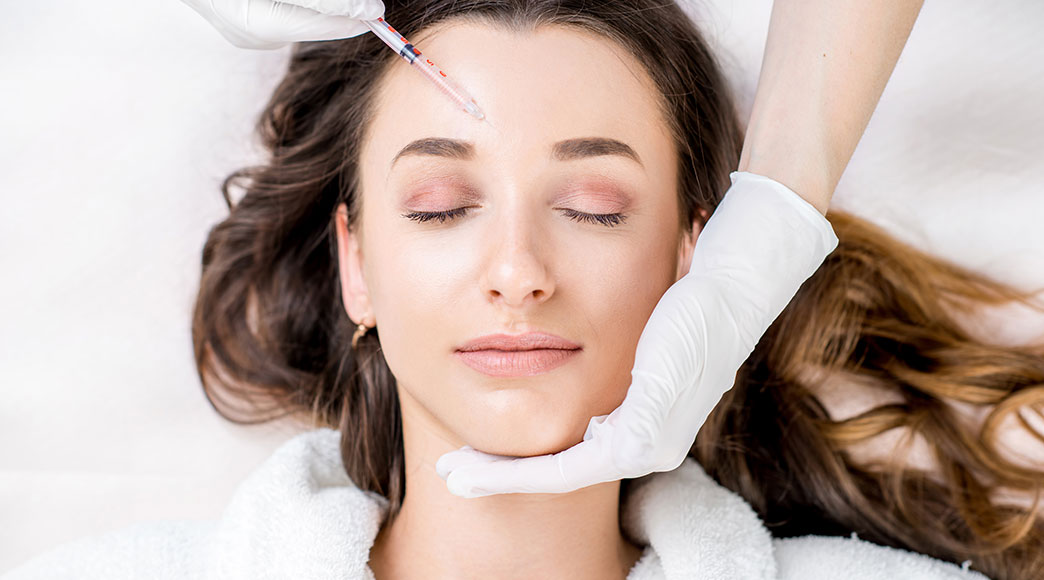
In recent years, there has been a significant shift in the beauty and wellness industries toward medical beauty. This evolving field blends cutting-edge medical technology with aesthetic treatments to help individuals enhance their appearance, address skin concerns, and rejuvenate their overall look, all without the need for invasive surgery. While traditional beauty solutions such as skincare routines and makeup have always played a significant role in enhancing beauty, medical beauty now offers a more targeted, effective, and lasting approach.

From anti-aging treatments to body contouring, medical beauty allows for subtle and natural improvements, targeting specific areas with precision. With this article, we will delve into the world of medical beauty, exploring the treatments that have gained popularity, the benefits they offer, and how this field is reshaping the future of aesthetics.

What is Medical Beauty?

Medical beauty refers to aesthetic procedures that utilize advanced medical techniques and technologies to enhance, maintain, or restore a person’s appearance. These treatments often involve the use of non-invasive or minimally invasive procedures performed by licensed medical professionals such as dermatologists, cosmetic surgeons, or certified aesthetic practitioners. The key distinction between medical beauty and traditional beauty treatments lies in the use of scientifically-backed, medical-grade products and technologies, which yield faster, more noticeable results.

Medical beauty combines the principles of aesthetics with scientific precision. Whether it’s reducing the appearance of wrinkles, improving skin texture, or reshaping the body, these procedures deliver transformative results with minimal downtime and reduced risks compared to traditional surgery.

The Growth of Medical Beauty

The popularity of medical beauty treatments has surged in recent years for several reasons. Technological advances, combined with a growing desire for non-invasive treatments, have made these procedures more accessible to a wider range of individuals. Social media also plays a pivotal role, with influencers, celebrities, and even everyday users sharing their experiences with medical beauty procedures, sparking greater awareness and interest.

Moreover, medical beauty offers a path to long-term improvement, making it an attractive alternative for those who seek lasting results without undergoing major surgery. Whether it’s reversing the signs of aging or achieving a more sculpted physique, medical beauty offers a range of solutions that can address almost any aesthetic concern.

Why Medical Beauty is So Popular

Several key factors contribute to the rise in popularity of medical beauty. Here are a few reasons why individuals are increasingly turning to this approach to enhance their appearance:

1. Non-Invasive Treatments

Many of the most popular medical beauty procedures are non-invasive or minimally invasive. This means that they typically require no incisions or stitches and involve little to no recovery time. For example, Botox injections and dermal fillers can be completed in a matter of minutes, with most patients able to return to their daily activities right after the procedure.

2. Natural-Looking Results

The primary goal of medical beauty is to enhance a person’s natural features rather than drastically altering them. Treatments such as Botox, dermal fillers, and laser resurfacing work to rejuvenate the skin, smooth out fine lines, restore facial volume, and improve texture, all while maintaining a natural, youthful appearance. This subtle enhancement is often more desirable than the dramatic changes associated with invasive surgery.

3. Minimal Downtime

One of the major benefits of medical beauty treatments is their minimal recovery time. Traditional cosmetic surgeries often require weeks of recovery, during which patients must avoid strenuous activities and adhere to strict aftercare regimens. In contrast, many medical beauty procedures offer immediate or near-immediate results, with little to no downtime. In some cases, patients can even resume normal activities the same day.

4. Effective and Long-Lasting Results

Unlike some traditional beauty treatments, medical beauty procedures often provide more durable results. Botox, for instance, can last anywhere from 3 to 6 months, while dermal fillers may last up to 18 months. Fat-reduction treatments like CoolSculpting and body contouring procedures also offer long-term effects, with results that can be permanent once fat cells are eliminated.

5. Customizable to Individual Needs

Every person’s aesthetic needs are different. With medical beauty, treatments are highly customizable, allowing professionals to tailor procedures to meet the specific concerns of each patient. Whether it’s addressing fine lines, sagging skin, volume loss, or stubborn fat, medical beauty practitioners can create personalized treatment plans that align with an individual’s goals.

Common Medical Beauty Treatments

The medical beauty industry encompasses a wide range of treatments aimed at addressing various aesthetic concerns. Some of the most popular procedures include:

1. Botox and Neuromodulators

Botox is perhaps the most well-known medical beauty treatment. It works by temporarily paralyzing muscles to prevent them from contracting, reducing the appearance of wrinkles. Botox is commonly used for the forehead, crow’s feet around the eyes, and frown lines between the eyebrows. Other neuromodulators like Dysport, Xeomin, and Jeuveau are similar to Botox and also provide wrinkle-smoothing benefits.

2. Dermal Fillers

Dermal fillers are used to restore lost volume in the face, filling in wrinkles, sagging areas, and hollowed regions. Fillers such as Juvederm, Restylane, and Radiesse can plump up the cheeks, smooth out deep lines around the mouth, and even enhance lip volume. These fillers are made of hyaluronic acid, calcium hydroxylapatite, or poly-L-lactic acid, and they work by stimulating collagen production, leaving patients with a youthful and refreshed appearance.

3. Laser Skin Treatments

Laser treatments are versatile and can be used for a variety of skin concerns, including wrinkles, pigmentation issues, acne scars, and sun damage. Common laser treatments include:

  • Fractional CO2 Laser Resurfacing: This procedure stimulates collagen production to reduce fine lines, improve skin texture, and treat acne scars.
  • Laser Hair Removal: A permanent hair reduction solution that uses concentrated light to target hair follicles, preventing hair growth.
  • Intense Pulsed Light (IPL): A non-laser light treatment that targets pigmentation irregularities, such as sunspots, freckles, and redness.

4. Chemical Peels

Chemical peels involve the application of a chemical solution to exfoliate the skin, removing the outermost layers. This promotes the growth of fresh, youthful skin and can address issues like fine lines, pigmentation, and acne scars. Chemical peels come in varying depths, with superficial peels offering minimal downtime and deeper peels providing more dramatic results but with a longer recovery time.

5. Microneedling

Microneedling involves the use of tiny needles that create controlled micro-injuries in the skin, stimulating collagen production and promoting skin rejuvenation. Microneedling is effective for improving skin texture, reducing acne scars, and smoothing fine lines. This treatment is often combined with PRP (Platelet-Rich Plasma) therapy, where a patient’s own blood is used to enhance skin healing and regeneration.

6. Non-Surgical Body Contouring

Non-surgical fat-reduction treatments, such as CoolSculpting and SculpSure, target and freeze or heat fat cells, which are then naturally eliminated by the body. These treatments help sculpt areas of the body with stubborn fat, such as the abdomen, thighs, or flanks, without the need for liposuction.

Benefits of Medical Beauty

The rise of medical beauty treatments has brought numerous benefits to individuals seeking aesthetic enhancements:

1. Low Risk

Since many medical beauty procedures are non-invasive or minimally invasive, they carry less risk than traditional surgeries. Complications are rare, especially when performed by experienced professionals.

2. No Need for Surgery

Medical beauty offers a solution for individuals who are hesitant to undergo traditional cosmetic surgery due to the risks, long recovery times, and high costs. The ability to enhance one’s appearance with minimal disruption to daily life is a significant draw for many.

3. Long-Term Results

Many treatments offer long-lasting or even permanent results. For example, fat reduction procedures can permanently eliminate fat cells, and Botox treatments can last for several months.

4. Boosted Confidence

Whether it’s reducing wrinkles, improving skin texture, or sculpting the body, medical beauty treatments have a direct impact on an individual’s self-esteem. The confidence gained from achieving aesthetic goals can translate into a greater sense of self-worth and happiness.

The Future of 溶脂針

As medical technology advances, the possibilities in medical beauty are virtually endless. New treatments and technologies are continually being developed to address a wider variety of concerns, from anti-aging to hair restoration. The focus will likely shift toward even more personalized treatments, leveraging genetic information and AI to create custom solutions for every individual. The integration of holistic approaches that combine physical treatments with wellness practices may also gain momentum in the coming years.

Conclusion

Medical beauty is revolutionizing the way people approach aesthetics, offering non-invasive and highly effective treatments that help individuals look and feel their best. From anti-aging to body contouring, medical beauty provides targeted solutions that are both safe and accessible, making it a popular choice for anyone looking to enhance their natural beauty. As technology continues to advance, medical beauty will remain at the forefront of the beauty industry, offering exciting new opportunities for self-improvement, confidence, and self-care.

Brush Up Your Cognition About Basic Medicines And Medication And You May Save LivesBrush Up Your Cognition About Basic Medicines And Medication And You May Save Lives

Medicine and medicine are subjects that we love to lead to your doctors. Whenever we face some ailments the first affair that we do is ring up the doctor. But don 39;t you think that it is world-shattering that we have noesis about the basic medicines that are requisite in unremarkable use? We are aware of some of the staple medicines like Bayer and Band-Aid but are these all that we need to know? What if there is some over the counter medicate that can be used in ailments like febrility? We wouldn 39;t need to consult the doctor to use that one. And we can only make the when we are aware of the staple medicines.

Say it is late at Nox and on the spur of the moment someone in your family contracts high fever. Your Dr. may not be available at this late hour and you would need to rely on your cognition of medicines and medicinal dru to deal the right medicine. If you don 39;t have any cognition about staple medicines and your doctor is not picking up the telephone, would you run to the infirmary? I 39;m sure this is not something you have in mind. Hence, it is about time you brushed up your knowledge about basic medicines. And the Internet makes it so simpleton to get this selective information that there is no reason out for you not to do so.

There are some very common places online where we can get selective information on the basic medicines and Laboratory Online Medicines by Mailbox . The most common target to look out for would be the seek engines. Go to Google and search using keywords like quot;basic medicines quot; or quot;common medicines quot; and you will have a long list of websites that give you information about these medicines. There are enough health chec websites to help you in this view.

Another options, that I think is more useful, is the choice of reading articles on medicines and medicine. There are many free clause websites that not only tell you about the most green medicines but also give you extra details about them. The biggest advantage of these websites is that they explain medicines and medicinal dru in a very lucid manner, in a terminology that can be implied by people like you and me. Moreover, these articles are well researched and give you the most updated information that you would always require.

Reading articles on medicines and medicament is also pleasurable because of the way these are written, Reading about medicines and medicinal dru is not the most exciting matter to do but when you have a storyline sessile to it, the topic seems much more gripping. Most of the clause writers give you real life examples so that you can pertain to it when you actually face a similar situation.

Knowing about medicines and medicament will also help you salvage situations in your neck of the wood or in power. There is a good conclude why companies today enthrone in first aid preparation. Get your cognition in point and who knows you may be baked as a messiah in certain situations.

Erotic Massage: Exploring the Sensual World of Intimate TouchErotic Massage: Exploring the Sensual World of Intimate Touch

Erotic massage is an intimate practice that blends the art of sensual touch with the benefits of relaxation, pleasure, and emotional connection. It is an experience that transcends the traditional concept of massage, focusing on awakening sensuality, building trust, and enhancing the bond between partners. Erotic massage is a beautiful way to reconnect with your body, engage in mindful touch, and explore both individual and shared desires.

While the practice is often associated with sexual arousal, it is much more than a simple prelude to intimacy. Erotic massage is about exploring the many layers of sensuality, relaxation, and emotional connection, fostering a deeper understanding of both oneself and one's partner.

This article explores what erotic massage is, the benefits it offers, the techniques involved, and how it can help deepen emotional and physical intimacy in relationships.

What Is Erotic Massage?

At its core, erotic massage is a form of bodywork that incorporates sensual touch to enhance pleasure and intimacy. It involves slow, deliberate, and mindful touch with a focus on creating heightened sensations and deep connection. Unlike traditional massage, which primarily aims to alleviate tension and improve circulation, erotic massage is centered on exploring the body’s sensual responses and building intimacy between partners.

The practice is not just about achieving physical pleasure—it’s about being present with your partner, honoring each other’s boundaries, and taking time to explore your desires in a safe, consensual environment. Whether performed with oils, candles, or soft music, erotic massage encourages couples to be fully present in the moment, enhancing connection, trust, and relaxation.

The Benefits of Erotic Massage

The physical and emotional benefits of erotic massage are vast, contributing to both individual well-being and the strengthening of relationships. Here are some key advantages of incorporating erotic massage into your intimate life:

1. Fosters Deeper Emotional Connection

escort massage creates a unique space for emotional intimacy to flourish. It allows partners to connect on a deeper level by offering vulnerability, trust, and attentiveness. The act of giving and receiving touch without the pressure of achieving sexual intercourse can encourage open communication, where both individuals feel free to express their desires, preferences, and boundaries. As a result, couples often experience a closer, more emotionally connected bond.

2. Promotes Relaxation and Stress Relief

Similar to traditional massage techniques, erotic massage can help alleviate muscle tension and reduce stress. The slow, deliberate strokes used in the practice help calm the nervous system, allowing both partners to relax fully. Additionally, the mindfulness required in erotic massage helps people stay present in the moment, reducing anxiety and promoting a deep sense of tranquility.

3. Increases Sensual Awareness and Pleasure

Erotic massage helps individuals become more attuned to their bodies and enhances their ability to feel pleasure. Through mindful touch, the recipient becomes more aware of the physical sensations that arise during the massage, creating a stronger connection to their own sensuality. The technique also focuses on erogenous zones—the areas of the body that are particularly sensitive to touch—creating an opportunity to explore physical pleasure in new ways.

4. Strengthens Communication and Trust

One of the most essential aspects of erotic massage is communication. Before, during, and after the massage, it’s important for both partners to openly discuss boundaries, desires, and preferences. This level of communication helps establish trust, allowing both individuals to feel comfortable and safe. Erotic massage becomes a form of mutual exploration, where the focus is not solely on the giver or the receiver but on the shared experience.

5. Boosts Body Confidence

For many individuals, erotic massage offers an opportunity to embrace their bodies in a positive and loving way. The gentle, affirming touch encourages self-love and acceptance, helping individuals feel more comfortable in their own skin. Whether solo or shared with a partner, erotic massage fosters a sense of body positivity, contributing to increased confidence and a greater appreciation for one’s physical form.

Essential Techniques for Erotic Massage

The art of erotic massage involves specific techniques that promote relaxation, pleasure, and connection. The following are some of the most common methods used to enhance the experience:

1. Long, Fluid Strokes

Long, flowing strokes are the foundation of erotic massage. Using the palms, forearms, or entire hands, the giver applies slow and steady pressure along larger areas of the body, such as the back, legs, and arms. The key is to maintain a smooth, rhythmic pace that allows the receiver to relax and absorb the sensation. These strokes help relieve tension, encourage relaxation, and build anticipation for more intimate touch.

2. Circular Movements

Circular motions are excellent for stimulating specific areas of the body, especially on the shoulders, neck, lower back, and thighs. These motions are often performed with the palms or fingertips, and they can range from gentle to firm, depending on what feels most pleasurable. The circular technique can help release tight muscles and increase blood flow while heightening sensitivity in areas that are more responsive to touch.

3. Feather-Light Touches

Feather-light touches involve lightly brushing the skin with the fingertips. These soft, delicate strokes create a tingling sensation and increase sensitivity. This technique is particularly effective on erogenous zones such as the inner thighs, neck, or lower abdomen. The light touch builds anticipation and excitement, drawing attention to areas of the body that are highly responsive to sensual touch.

4. Focus on Erogenous Zones

Erogenous zones are parts of the body that respond more intensely to touch and can enhance sexual arousal. Common erogenous zones include the neck, breasts, inner thighs, and genitals. Erotic massage often focuses on these areas, applying gentle or firmer pressure to stimulate them. By focusing on these sensitive regions, erotic massage helps increase pleasure and excitement, leading to a more intense and satisfying experience.

5. Synchronizing Breathing

Breathing together with your partner helps create a rhythmic flow to the massage. By synchronizing your breath, you enhance the connection and make the experience feel more unified and mindful. Slow, deep breaths promote relaxation and create a sense of unity between partners. This practice helps both the giver and the receiver stay present and connected throughout the massage.

Creating the Perfect Environment for Erotic Massage

To fully enjoy the benefits of erotic massage, it’s important to set the right atmosphere. The right environment can enhance relaxation, sensuality, and intimacy, allowing both partners to fully immerse themselves in the experience. Here are a few tips for creating a space conducive to erotic massage:

1. Lighting

Dim or soft lighting is ideal for creating a relaxing and intimate atmosphere. You can use candles to add a warm, sensual glow to the room. The flickering light not only sets the mood but also provides a calming, soothing effect. You may also opt for soft, ambient lighting or use lamps with low wattage bulbs to keep the space cozy and inviting.

2. Music

Music plays an important role in setting the tone for an erotic massage. Choose soft, instrumental music or calming ambient sounds that help soothe the mind and enhance relaxation. Avoid anything too upbeat or jarring, as it may distract from the experience. Music should be soothing, allowing you and your partner to focus on the sensations of touch and the shared intimacy.

3. Aromatherapy

Essential oils can add a fragrant dimension to the massage experience. Lavender, ylang-ylang, sandalwood, and jasmine are popular oils for their relaxing and aphrodisiac qualities. You can use an essential oil diffuser or mix the oils with your massage lotion to create a calming atmosphere. The right scent can enhance the sensuality of the massage and promote relaxation.

4. Comfortable Space

Ensure that the space is comfortable and relaxing. Use soft blankets, pillows, or cushions to create a cozy environment. The surface you choose—whether it’s a bed, a mat, or a massage table—should be comfortable for both individuals. Adjust the room temperature to ensure it’s neither too hot nor too cold, as physical discomfort can distract from the experience.

Conclusion: Erotic Massage as an Invitation to Intimacy and Connection

Erotic massage is much more than a physical experience—it’s an invitation to deepen emotional intimacy, explore sensuality, and strengthen the connection between partners. It’s a practice that encourages open communication, trust, and vulnerability, all while allowing both individuals to experience physical pleasure in a mindful, respectful way.

Whether done alone or with a partner, erotic massage provides a safe space for self-exploration and mutual enjoyment. By engaging in this practice, individuals and couples can foster greater body awareness, emotional closeness, and sexual fulfillment. The key is to be present, communicate openly, and approach the experience with an open heart and mind, allowing the sensual energy to flow freely and fully.

Understanding ADHD in Military Veterans Unique Challenges and SolutionsUnderstanding ADHD in Military Veterans Unique Challenges and Solutions

ADHD, or Attention-Deficit/Hyperactivity Disorder, is a neurodevelopmental condition often diagnosed in childhood, but its effects can persist well into adulthood. For military veterans, these effects can be amplified by the unique stressors and demands of military service. It’s crucial to understand how *ADHD in military* personnel and veterans presents, and how it interacts with the challenges they face, to provide appropriate support and care. This understanding extends beyond simple diagnosis; it requires recognizing the impact of military culture and experiences on the manifestation and management of ADHD.

The presence of undiagnosed or poorly managed ADHD can significantly impact a veteran’s transition to civilian life. Difficulties with organization, focus, and impulse control can affect employment, relationships, and overall well-being. Furthermore, the co-occurrence of ADHD with other mental health conditions, such as PTSD and depression, adds another layer of complexity. Therefore, raising *veteran ADHD awareness* becomes an important mission in improving mental health.

Unique Challenges Faced by Veterans with ADHD

Veterans with ADHD often experience challenges distinct from their civilian counterparts. The structured environment of military life, while potentially helpful in some ways, can also mask underlying ADHD symptoms. Once veterans leave this environment, the lack of structure can exacerbate these difficulties. Understanding these unique challenges is the first step in providing effective support.

Military service often involves exposure to trauma, demanding physical conditions, and high-stress situations. These experiences can interact with ADHD symptoms, making it harder for veterans to cope. The symptoms of ADHD can worsen PTSD symptoms, creating a cycle of distress. This *ADHD PTSD overlap* needs special attention during assessment.

The Impact of Military Culture on ADHD

Military culture emphasizes discipline, order, and adherence to rules. While these values can be beneficial, they can also create additional pressure for individuals with ADHD who struggle with these areas. The fear of judgment or negative consequences might lead veterans to hide their symptoms, delaying diagnosis and treatment.

The hyper-vigilance required in combat situations can also mimic or worsen ADHD symptoms, such as restlessness and difficulty focusing on mundane tasks. Recognizing this distinction is vital for accurate diagnosis and treatment planning. It’s important to look into how *ADHD military service impact* can lead to specific mental health problems.

Co-occurring Conditions: PTSD and ADHD

The *ADHD PTSD overlap* is a significant concern among veterans. PTSD, or Post-Traumatic Stress Disorder, is a mental health condition triggered by experiencing or witnessing a traumatic event. The symptoms of PTSD, such as hyperarousal, difficulty concentrating, and impulsivity, can overlap with ADHD, making it difficult to distinguish between the two conditions.

Furthermore, the presence of both conditions can exacerbate symptoms and make treatment more challenging. Veterans with both ADHD and PTSD may struggle with emotional regulation, social interactions, and overall quality of life. Thus, when screening for *veteran mental health ADHD*, the mental health specialist has to consider every possibility.

Diagnosis and Assessment of ADHD in Veterans

Accurate diagnosis is essential for effective treatment. However, diagnosing ADHD in veterans can be complex due to the potential overlap with other mental health conditions and the unique experiences of military service. A thorough assessment should include a comprehensive review of the veteran’s medical and military history, as well as psychological testing and interviews.

It’s essential that clinicians understand the potential for underreporting of symptoms due to stigma or concerns about career implications. A collaborative approach, involving the veteran, their family, and other healthcare providers, can improve the accuracy and effectiveness of the diagnostic process. If you are looking for *ADHD diagnosis veterans* you must seek guidance from mental health professionals.

Challenges in ADHD Diagnosis for Veterans

Diagnosing *ADHD diagnosis veterans* poses unique challenges. The structured environment of military life may have masked ADHD symptoms, making them less apparent until the veteran transitions to civilian life. Additionally, the symptoms of PTSD, anxiety, and depression can mimic ADHD, making it difficult to differentiate between these conditions.

It is crucial for healthcare professionals to have a thorough understanding of military culture and the potential impact of military service on mental health. Using specialized assessment tools and techniques tailored to the veteran population can improve diagnostic accuracy.

The Role of Comprehensive Evaluation

A comprehensive evaluation is key to accurately diagnosing ADHD in veterans. This evaluation should include a detailed history of the veteran’s symptoms, both before and during military service. Psychological testing can help identify specific cognitive and behavioral patterns associated with ADHD.

Interviews with family members or other individuals who know the veteran well can provide valuable insights into their behavior and functioning. This collaborative approach ensures that all relevant information is considered during the diagnostic process.

Effective Treatment Strategies for Veterans with ADHD

Treatment for ADHD in veterans typically involves a combination of medication, therapy, and lifestyle adjustments. The specific approach will depend on the individual’s needs and preferences, as well as the presence of any co-occurring conditions. A personalized treatment plan, developed in collaboration with a healthcare provider, is essential for achieving optimal outcomes.

Medication can help manage ADHD symptoms such as inattention, hyperactivity, and impulsivity. Therapy, such as cognitive-behavioral therapy (CBT), can help veterans develop coping skills and strategies for managing their symptoms. Lifestyle adjustments, such as regular exercise and a healthy diet, can also support overall well-being. *ADHD treatment veterans* is possible and can lead to significant improvements in mental health.

Medication Management for ADHD in Veterans

Medication is often an important part of *ADHD treatment veterans*. Stimulant medications, such as methylphenidate and amphetamine, are commonly prescribed to help improve focus and attention. Non-stimulant medications, such as atomoxetine, are also available and may be a good option for veterans who cannot tolerate stimulants or have a history of substance abuse.

It’s important for healthcare providers to carefully monitor veterans taking ADHD medication, as they may be at increased risk for side effects such as anxiety, insomnia, and changes in mood. Regular follow-up appointments are essential to ensure that the medication is working effectively and to address any concerns.

Therapeutic Interventions for ADHD

Therapy can play a vital role in helping veterans manage ADHD symptoms and improve their overall quality of life. Cognitive-behavioral therapy (CBT) is a type of therapy that helps individuals identify and change negative thought patterns and behaviors. CBT can be particularly helpful for veterans with ADHD who struggle with impulsivity, emotional regulation, and organization.

Other therapeutic approaches, such as mindfulness-based therapy and acceptance and commitment therapy (ACT), can also be beneficial. These therapies help veterans develop greater self-awareness and acceptance of their ADHD symptoms, which can lead to improved coping skills and overall well-being. Consider reaching out to Vantage Mental Health for *ADHD testing* (https://www.vantagementalhealth.org/adhd-testing/) and therapeutic intervention.

Coping Strategies for Veterans Living with ADHD

Developing effective *coping ADHD veterans* strategies is crucial for managing the challenges of living with ADHD. These strategies can help veterans improve their focus, organization, and time management skills. They can also help reduce stress and improve overall well-being.

Establishing routines and schedules, using assistive technology, and seeking support from family, friends, and support groups are all valuable coping strategies. It’s important for veterans to find the strategies that work best for them and to consistently implement them in their daily lives.

Practical Tips for Managing ADHD Symptoms

There are many practical tips that can help veterans manage their ADHD symptoms. Breaking tasks down into smaller, more manageable steps can make them less overwhelming. Using timers and reminders can help with time management and staying on track.

Creating a clutter-free and organized environment can minimize distractions and improve focus. Regular exercise, a healthy diet, and adequate sleep are also essential for managing ADHD symptoms.

Building a Support System

Having a strong support system is essential for veterans living with ADHD. Connecting with other veterans who have similar experiences can provide a sense of community and understanding. Family members and friends can also provide valuable support and encouragement.

Joining a support group or participating in online forums can provide opportunities to share experiences, learn from others, and receive emotional support. It’s important for veterans to build a support system that meets their individual needs and preferences.

VA Resources and Support for Veterans with ADHD

The Department of Veterans Affairs (VA) offers a range of resources and support services for veterans with ADHD. These services include diagnostic evaluations, medication management, therapy, and vocational rehabilitation. Taking advantage of these resources can significantly improve a veteran’s quality of life.

*ADHD VA support* services are designed to address the unique needs of veterans with ADHD. Veterans can access these services by contacting their local VA medical center or visiting the VA website.

Navigating the VA System for ADHD Care

Navigating the VA system can be challenging, but there are resources available to help veterans access the care they need. The first step is to enroll in VA healthcare. Once enrolled, veterans can schedule an appointment with their primary care provider to discuss their concerns about ADHD.

The primary care provider can then refer the veteran to a mental health specialist for a comprehensive evaluation and treatment. The VA also offers specialized programs for veterans with co-occurring mental health conditions, such as PTSD and ADHD.

Available VA Programs and Services

The VA offers a variety of programs and services to support veterans with ADHD. These include:

* **Diagnostic evaluations:** Comprehensive assessments to determine if a veteran meets the criteria for ADHD.
* **Medication management:** Prescription and monitoring of medications to manage ADHD symptoms.
* **Therapy:** Individual or group therapy to help veterans develop coping skills and strategies for managing their symptoms.
* **Vocational rehabilitation:** Assistance with finding and maintaining employment.
* **Educational resources:** Information and resources about ADHD to help veterans and their families better understand the condition.

These programs are designed to provide comprehensive support and improve the lives of veterans with ADHD. Vantage Mental Health also offers *ADHD testing* (https://www.vantagementalhealth.org/adhd-testing/).

Promoting Veteran ADHD Awareness and Advocacy

Raising *veteran ADHD awareness* is essential for reducing stigma and improving access to care. By increasing awareness, we can help veterans with ADHD feel more understood and supported. Advocacy efforts can also help ensure that the VA continues to provide high-quality care for veterans with ADHD.

Encouraging open dialogue about ADHD and sharing personal stories can help break down barriers and promote understanding. Supporting organizations that advocate for veterans with mental health conditions can also make a difference.

Reducing Stigma and Promoting Understanding

Stigma surrounding mental health conditions can prevent veterans from seeking help. By promoting understanding and reducing stigma, we can encourage veterans to access the care they need. Sharing information about ADHD and its impact on veterans can help dispel misconceptions and promote empathy.

Creating a safe and supportive environment where veterans feel comfortable discussing their challenges is essential. Encouraging open dialogue and sharing personal stories can help break down barriers and promote understanding.

The Importance of Advocacy and Support

Advocacy efforts can help ensure that veterans with ADHD receive the support and resources they need. Supporting organizations that advocate for veterans with mental health conditions can make a difference. Contacting elected officials to voice concerns about veteran healthcare can also help influence policy and funding decisions.

By working together, we can create a more supportive and inclusive environment for veterans with ADHD.

Dispensary Cannabis Loyalty Programs Are They Worth It?Dispensary Cannabis Loyalty Programs Are They Worth It?

In recent years, cannabis dispensaries have been adopting the kind of loyalty programs that big retailers and coffee chains have perfected. From points-per-purchase systems to VIP rewards, these programs aim to keep customers coming back. But if you’re a cannabis consumer, you might wonder: are these loyalty programs actually worth your time, or are they just marketing gimmicks?

The truth is, when used wisely, dispensary dispensaries near me loyalty programs can provide real value — not just in discounts, but also in personalized experiences and exclusive perks. Here’s a closer look at how they work and whether they’re worth joining.

1. How Cannabis Loyalty Programs Work

Most dispensary loyalty programs operate on a simple points system. Every dollar you spend earns you points, which can later be redeemed for discounts, free products, or special promotions. Some programs offer tiered membership levels, where frequent shoppers gain access to bigger rewards, exclusive products, or early access to new strains.

Beyond points, some dispensaries provide perks such as birthday gifts, invitations to private events, or members-only educational sessions. In short, loyalty programs are designed to reward customers for consistency while creating a sense of community and exclusivity.

2. Saving Money on Your Favorite Strains

The most obvious benefit of a loyalty program is savings. Cannabis can be expensive, especially for medical patients who require regular use. Loyalty points can turn your everyday purchases into tangible rewards — sometimes as simple as a free pre-roll after a certain number of purchases, or a discount on a high-THC flower you’ve been eyeing.

For frequent shoppers, these rewards can add up quickly. If you already purchase cannabis regularly, joining a loyalty program is essentially like getting a small percentage back on every purchase, which is money saved you can put toward trying new products or experimenting with concentrates, edibles, or tinctures.

3. Early Access and Exclusive Deals

Another hidden benefit of dispensary loyalty programs is early access to new strains or limited-edition products. Cannabis companies often release special strains in small batches, and being part of a loyalty program can ensure you’re among the first to try them.

Some programs also offer members-only promotions or flash sales. For consumers who like exploring new products or discovering rare cultivars, loyalty programs provide a real edge. These perks can make your shopping experience feel more like an exclusive club rather than a routine purchase.

4. Personalized Recommendations and Education

Modern dispensary loyalty programs often go beyond points and discounts. Many programs track your purchase history to offer personalized recommendations, helping you discover products that fit your preferences, whether it’s a new Indica for relaxation or a CBD-rich tincture for anxiety.

Additionally, some dispensaries provide loyalty members with access to educational workshops, strain guides, or expert consultations. These resources are especially valuable for beginners who want to navigate the world of cannabis safely and effectively. It turns a loyalty program from a simple discount scheme into a learning and discovery platform.

5. Are There Any Drawbacks?

Of course, loyalty programs aren’t without limitations. Some programs may have expiration dates on points, minimum purchase requirements, or restrictions on which products can be redeemed. Others may encourage unnecessary spending, leading consumers to buy more than they actually need.

It’s also worth noting that some dispensaries require personal information, such as email addresses or phone numbers, which may be used for marketing purposes. While this is common in retail, privacy-conscious consumers may want to read the terms carefully before signing up.

6. Making the Most of Your Loyalty Program

To truly benefit from a cannabis loyalty program, approach it with strategy. First, join programs at dispensaries you already frequent. This ensures you earn rewards on purchases you’d make anyway. Second, pay attention to points expiration and redemption rules to avoid losing benefits.

Finally, use the perks as intended — whether it’s trying a new strain, attending an educational event, or stocking up on your favorite flower. A well-used loyalty program can enhance your cannabis experience, save you money, and even introduce you to products you might not have discovered otherwise.

7. Are Cannabis Loyalty Programs Worth It?

The short answer: yes — but with conditions. If you shop at the dispensary regularly, enjoy exploring new products, and appreciate personalized recommendations, loyalty programs are worth the effort. They can save money, provide unique experiences, and foster a closer connection with the dispensary community.

For casual or infrequent users, the benefits may be limited, but signing up doesn’t hurt. At worst, you get occasional offers and discounts; at best, you unlock a treasure trove of perks that enhance your cannabis journey.

Final Thoughts

Cannabis loyalty programs are more than marketing tools — they’re gateways to better experiences, smarter shopping, and deeper engagement with the dispensary community. By understanding the perks, reading the fine print, and using rewards strategically, you can turn routine purchases into meaningful benefits.

Whether you’re a daily medical user or a recreational explorer, a dispensary loyalty program can be a valuable ally in making every cannabis purchase more rewarding.