Author: Millermarker

Strategies For Winning At Online CasinosStrategies For Winning At Online Casinos

Winning at online casinos requires a blend of skill, scheme, and luck. While there 39;s no secure method acting for succeeder, sympathy the games and implementing effective strategies can better your chances of successful. This clause explores some key strategies for increasing your winner at online casinos. Adam789.

Understanding the Games The first step in development a victorious strategy is sympathy the games you play. Each casino game, from slots to fire hook, has its own rules and odds. Familiarize yourself with the rules, paytables, and strategies particular to each game. Knowledge is world power, and sympathy how a game works is crucial for making informed decisions.

Bankroll Management Effective roll management is requirement for long-term winner at online casinos. Set a budget for your gambling activities and stick to it. Avoid chasing losings by indulgent more than you can yield to lose. Managing your bankroll responsibly ensures that you can enjoy your play experience without risking financial stress.

Choosing the Right Games Not all casino games are created equal. Some games offer better odds and high payout percentages than others. For example, games like blackmail and video recording poker often have better odds compared to slot machines. Research and choose games that align with your skill raze and volunteer friendly odds to increase your chances of winning.

Utilizing Bonuses and Promotions Online casinos frequently offer bonuses and promotions to pull and hold back players. Take vantage of these offers to maximise your performin time and potential win. Read the terms and conditions of each incentive carefully to sympathize the wagering requirements and other restrictions.

Practice and Skill Development Some casino games, like stove poker and blackmail, want skill and strategy. Practice these games to meliorate your skills and train effective strategies. Many online casinos offer free versions of their games, allowing you to rehearse without risking real money.

Avoiding Common Pitfalls Be aware of commons pitfalls that can affect your winner at online casinos. Avoid gaming when you rsquo;re feeling or under the shape of alcohol, as it can mar your judgment. Additionally, be cautious of gaming addiction and seek help if you find yourself impotent to control your gambling habits.

Conclusion While luck plays a considerable role in play, employing effective strategies can heighten your chances of achiever. By sympathy the games, managing your bankroll, and utilizing available resources, you can ameliorate your overall see at online casinos. Remember to adventure responsibly and the tickle of the game.

E-Payments: The Digital Revolution Transforming Financial TransactionsE-Payments: The Digital Revolution Transforming Financial Transactions

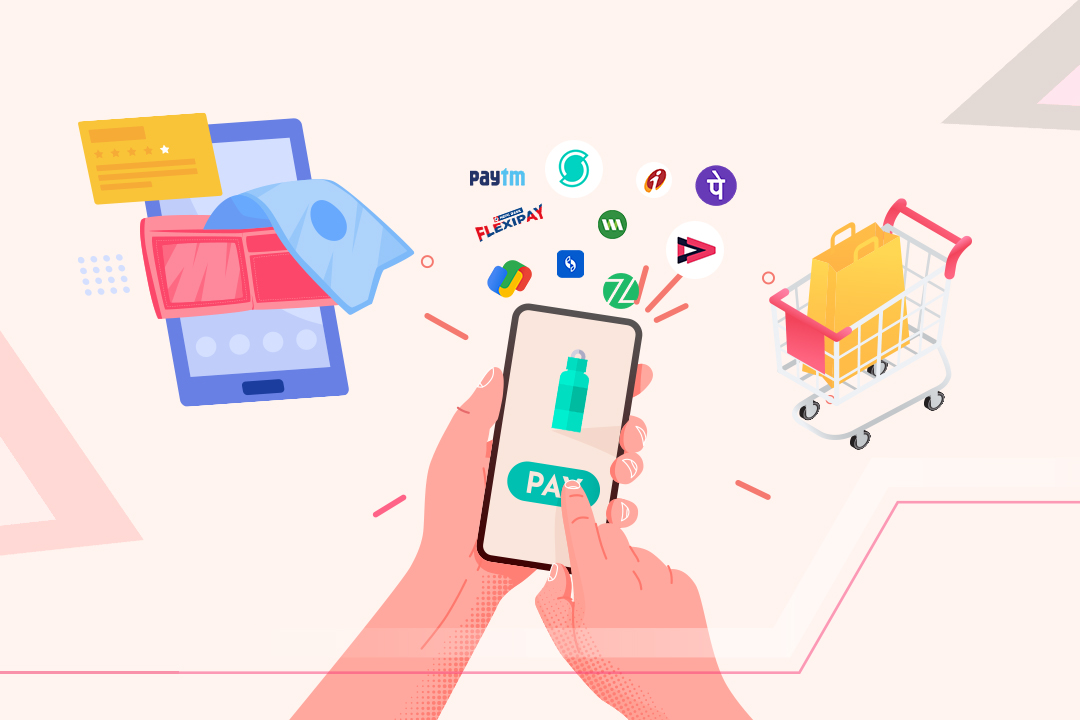
In today’s fast-paced, technology-driven world, e-payments have become an integral part of our daily lives. From shopping online to transferring money between friends or paying bills on the go, digital transactions are redefining the way we manage money. As smartphones, internet access, and digital technologies continue to advance, e-payments offer greater convenience, speed, and security compared to traditional payment methods like cash or checks. This article explores the rise of e-payments, their benefits, challenges, and the future of digital transactions.

What Are E-Payments?

E-payments or electronic payments are any kind of transaction where money is exchanged digitally over the internet or through mobile apps, bypassing the need for physical currency. These digital transactions have made payments more accessible, offering faster, more secure ways to conduct financial operations. E-payments come in various forms, such as:

  • Credit and debit cards
  • Digital wallets (e-wallets)
  • Bank transfers
  • Cryptocurrency transactions
  • Mobile payment platforms

These systems allow consumers to make payments quickly, securely, and conveniently from virtually anywhere in the world. With growing acceptance and adoption, e-payments have reshaped not just how consumers spend money but also how businesses engage with customers.

Evolution of E-Payments

The journey of e-payments began in the 20th century, with pivotal milestones marking their evolution:

  1. Credit Cards and Early Payment Systems (1950s – 1980s)

    The first significant step in electronic payments was the introduction of credit cards in the 1950s. Credit card companies like Diners Club and American Express allowed consumers to pay for goods and services on credit, which helped establish the foundation for modern digital payment systems.

  2. The Internet Age: PayPal and Online Shopping (1990s – Early 2000s)

    With the rise of e-commerce in the 1990s, platforms like PayPal became essential for online payments. PayPal allowed users to send money to merchants and other individuals easily, expanding the reach of online shopping. This period also saw the introduction of secure payment gateways, further fostering online commerce.

  3. Mobile Payments and Wallets (2000s – Present)

    The next major shift came with the proliferation of smartphones. With apps like Apple Pay, Google Pay, and Samsung Pay, consumers could pay for goods at physical stores with a simple tap of their phone. Mobile wallets also allowed users to store their credit card information digitally, making online and in-store purchases even easier.

  4. Cryptocurrency and Blockchain (2009 – Present)

    The launch of Bitcoin in 2009, the world’s first decentralized cryptocurrency, introduced an entirely new way to conduct e-payments. Based on blockchain technology, cryptocurrencies allow for peer-to-peer payments without intermediaries like banks, enabling faster and cheaper transactions, especially across borders.

  5. Buy Now, Pay Later (BNPL) (2010s – Present)

    In recent years, the Buy Now, Pay Later (BNPL) service model has gained traction. Platforms like Klarna, Afterpay, and Affirm enable consumers to purchase items immediately and pay over time, usually interest-free, attracting younger consumers who prefer flexible payment terms.

Types of E-Payments

E-payments are now available in various forms, catering to different payment needs and consumer preferences. Some of the most common types of e-payment systems include:

  1. Credit and Debit Cards

    Credit and debit cards are the most common e-payment methods. When a consumer uses a credit card, they are borrowing money from the card issuer, which must be paid back later. Debit cards, on the other hand, allow the consumer to make purchases by directly drawing funds from their checking account. Visa, Mastercard, American Express, and Discover are among the most widely used card networks globally.

  2. Digital Wallets (E-Wallets)

    Digital wallets, or e-wallets, store a user’s payment information on their devices and allow them to make quick and secure transactions. Services like PayPal, Venmo, Google Pay, Apple Pay, and Samsung Pay allow users to link their bank accounts or credit cards to their wallets for easy payments, both online and in physical stores.

  3. Bank Transfers

    Bank transfers are another common method of electronic payment. These transactions can be carried out through online banking platforms, apps, or services like ACH (Automated Clearing House) in the U.S., which facilitates payments directly between bank accounts. Internationally, systems like SWIFT and SEPA help facilitate cross-border bank transfers.

  4. Cryptocurrency Payments

    Cryptocurrencies such as Bitcoin, Ethereum, and Litecoin have gained attention for their potential to revolutionize e-payments. Digital currencies enable secure, decentralized transactions that do not rely on traditional banking systems. Cryptocurrencies are gaining traction among businesses and consumers, especially for cross-border payments due to their speed and low transaction fees.

  5. Buy Now, Pay Later (BNPL)

    BNPL services have become increasingly popular for e-commerce, allowing consumers to purchase goods or services and pay for them in installments. Platforms like Klarna, Affirm, and Afterpay offer short-term, interest-free financing options, giving consumers flexibility in their payment choices.

Advantages of E-Payments

E-payments offer numerous benefits that have made them so appealing for consumers and businesses alike. Some of the key advantages include:

  1. Convenience and Accessibility

    E-payments provide unparalleled convenience. Whether on a smartphone, tablet, or computer, consumers can make transactions anytime, anywhere, without the need to carry cash or visit a physical bank. This has especially benefited the rise of e-commerce, as users can shop online and pay instantly.

  2. Speed and Efficiency

    Unlike traditional payment methods, which can take several days to clear, e-payments are processed almost instantly. Transactions between individuals, merchants, and financial institutions occur in real-time, making it easier for businesses to process orders and for consumers to make payments.

  3. Global Reach

    One of the significant benefits of e-payments is their ability to support international transactions. With traditional banking, cross-border payments often incur high fees and long processing times. With e-payments, especially through cryptocurrency, payments can be made across borders quickly and with minimal fees, making international trade more efficient.

  4. Security

    E-payment systems are designed with advanced security features to protect consumers' financial data. From encryption to multi-factor authentication, these systems minimize the risk of fraud. Blockchain technology, particularly in cryptocurrency payments, provides an extra layer of security by ensuring that transactions are immutable and transparent.

  5. Financial Inclusion

    E-payments are driving financial inclusion, particularly in underbanked regions. Mobile payment systems like M-Pesa in Africa have provided millions of people with access to financial services, allowing them to make payments, send money, and access savings accounts even without a traditional bank account.

Challenges of E-Payments

While the benefits of e-payments are clear, there are also challenges that need to be addressed to ensure widespread adoption:

  1. Cybersecurity Threats

    As e-payments rely on digital systems to process transactions, they are susceptible to hacking, data breaches, and fraud. Protecting consumers' sensitive financial information is crucial, and continuous innovation in cybersecurity measures is necessary to safeguard these platforms.

  2. Privacy Concerns

    E-payment systems often require the collection of personal data, which raises concerns about user privacy. There is a growing need for transparent data policies and secure systems that protect users' privacy while ensuring the smooth execution of digital transactions.

  3. Digital Divide

    Despite the rapid adoption of e-payments in developed regions, a significant digital divide remains in many parts of the world. Lack of internet access, smartphone ownership, and digital literacy prevent many individuals, particularly in rural and underserved areas, from benefiting from e-payment systems.

  4. Regulatory and Legal Issues

    As e-payments evolve, regulators and lawmakers face the challenge of creating comprehensive frameworks to govern digital transactions. This includes establishing consumer protection laws, regulating cryptocurrencies, and addressing concerns about anti-money laundering (AML) and know-your-customer (KYC) policies.

The Future of E-Payments

The future of payment system s is promising, driven by advancements in technology and changing consumer preferences. Some key trends to watch out for include:

  1. Blockchain and Cryptocurrencies

    As blockchain technology and cryptocurrencies continue to evolve, they are likely to reshape the way financial transactions occur globally. Central Bank Digital Currencies (CBDCs) could become the standard form of digital money, offering the benefits of cryptocurrencies with the backing of governments.

  2. AI and Machine Learning

    Artificial intelligence (AI) and machine learning will continue to play a significant role in enhancing security, fraud detection, and personalization in e-payment systems. AI-powered algorithms can identify suspicious activities in real time, helping to prevent fraud before it happens.

  3. Biometric Payments

    The use of biometric data, such as facial recognition or fingerprint scanning, will make payments even more seamless and secure. Consumers will be able to authorize transactions using their unique physical characteristics, reducing the need for passwords or PIN codes.

  4. Integrated IoT Payments

    The Internet of Things (IoT) is expected to facilitate automatic payments. Devices such as smartwatches, voice assistants, and smart appliances will enable users to make payments without even thinking about it, providing a frictionless experience.

Conclusion

E-payments have fundamentally changed the way we conduct financial transactions, making them faster, safer, and more convenient. With the growing prevalence of digital wallets, mobile payments, and cryptocurrencies, the digital payment landscape will continue to evolve. As technology advances, e-payments will drive further financial inclusion, streamline international transactions, and enhance the overall consumer experience. However, addressing challenges such as cybersecurity, privacy concerns, and regulatory frameworks will be essential to ensure that the benefits of e-payments are fully realized. The future of money is undoubtedly digital, and we are just beginning to witness the transformation it will bring to global finance.

The Fascinating World of Diamonds: Nature’s Ultimate GemThe Fascinating World of Diamonds: Nature’s Ultimate Gem

Diamonds are among the most captivating and prized materials on Earth. For centuries, they have symbolized wealth, luxury, and love, captivating human imagination and becoming the ultimate symbol of elegance and prestige. But what makes diamonds so special? In this article, we will explore the history, formation, characteristics, uses, and significance of diamonds.

1. What is a Diamond?

A diamond is a precious gemstone that consists of pure carbon atoms arranged in a crystal lattice structure. This arrangement is what makes diamonds the hardest known natural material on Earth, with a rating of 10 on the Mohs scale of mineral hardness. Diamonds are formed under extreme pressure and temperature conditions deep within the Earth’s mantle, typically at depths of around 90 miles (150 kilometers) or more, where the right conditions allow carbon atoms to crystallize into a diamond structure.

2. The Formation of Diamonds

Diamonds are created through a unique geological process. Over millions of years, carbon atoms are subjected to intense heat and pressure beneath the Earth’s surface. The carbon atoms bond in a crystalline structure, and the result is the formation of diamonds. These diamonds are then transported to the Earth’s surface by volcanic eruptions through kimberlite pipes, where they are mined.

The age of most diamonds can vary significantly. Some diamonds are billions of years old, having formed in the early days of the Earth. Others may have formed much more recently, but regardless of their age, each diamond is a testament to the immense natural forces at work beneath the Earth.

3. The 4 Cs: How Diamonds Are Graded

When it comes to purchasing diamonds, their value is determined by a set of criteria known as the "4 Cs." These include:

  • Carat Weight: This refers to the size of the diamond. One carat is equivalent to 200 milligrams. Larger diamonds are rarer and more expensive.

  • Cut: The cut refers to how well the diamond has been shaped and faceted. A well-cut diamond will exhibit brilliance and sparkle, while a poorly cut diamond tester may appear dull, even if it is large and of high quality.

  • Color: Diamonds are graded based on the absence of color. The most valuable diamonds are colorless, but diamonds can also be found in various shades, ranging from near colorless to yellow, brown, and even rare colors such as blue, pink, or green.

  • Clarity: Clarity refers to the presence of internal or external imperfections, known as inclusions and blemishes. A flawless diamond is rare and therefore commands a higher price.

These 4 Cs together help buyers understand the overall quality of the diamond and determine its value in the marketplace.

4. Uses of Diamonds

Diamonds are not just a symbol of romance and luxury, but they also have practical applications. Their exceptional hardness makes them useful in a variety of industries. Some key uses of diamonds include:

  • Jewelry: Diamonds have long been used in rings, necklaces, earrings, and bracelets. The most famous use of diamonds is in engagement rings, where they represent everlasting love and commitment.

  • Industrial Applications: Due to their hardness, diamonds are used in cutting, grinding, drilling, and polishing tools. In industries such as mining and construction, diamonds are indispensable for their durability and ability to cut through hard materials.

  • Technology: Diamonds have unique properties that make them valuable in electronics and quantum computing. Their thermal conductivity and optical properties make them ideal for certain high-tech applications, such as in semiconductors and lasers.

5. Diamond Mining

The mining of diamonds is an incredibly complex and labor-intensive process. Diamonds are typically found in kimberlite pipes and alluvial deposits. The process begins with the discovery of diamond-rich areas, followed by excavation and extraction. Major diamond-producing countries include Russia, Botswana, Canada, Australia, and South Africa.

However, diamond mining has raised ethical concerns over the years, particularly with regard to so-called "blood diamonds" or "conflict diamonds." These diamonds are mined in war zones and sold to finance armed conflicts against governments. To combat this, international organizations like the Kimberley Process Certification Scheme have been established to prevent the trade of conflict diamonds and promote ethical mining practices.

6. Diamonds in Culture and History

Diamonds have been highly revered throughout history. In ancient India, diamonds were considered to possess mystical properties and were used in religious ceremonies. The word "diamond" comes from the Greek word "adamas," meaning "unconquerable" or "invincible," reflecting the diamond's indestructibility.

Diamonds also hold great significance in various cultures. In the West, they are a traditional symbol of love and commitment, particularly when set in engagement rings. The phrase "A diamond is forever," coined by the De Beers company in the 1940s, became a powerful marketing slogan that reinforced diamonds as the ultimate symbol of lasting love.

7. The Future of Diamonds

As technology advances, new innovations in diamond production are emerging. One of the most exciting developments is the creation of synthetic diamonds, which are laboratory-grown but possess the same physical, chemical, and optical properties as natural diamonds. These diamonds offer an ethical and sustainable alternative to mined diamonds, as they do not require the same environmental impact or labor-intensive mining practices.

Moreover, diamonds continue to be a subject of fascination in the field of quantum computing and advanced technologies, where their unique properties may play a significant role in the development of new materials and systems.

Conclusion

Diamonds remain one of the most sought-after and fascinating substances on Earth. Their formation is a marvel of nature, and their uses extend far beyond jewelry. From industrial applications to their cultural and symbolic importance, diamonds hold a special place in human history. As technology progresses, the future of diamonds is likely to evolve, but their allure and timeless beauty will remain ever relevant. Whether natural or lab-grown, diamonds will continue to captivate us for generations to come.

The Art of Jersey Design: Combining Functionality and AestheticsThe Art of Jersey Design: Combining Functionality and Aesthetics

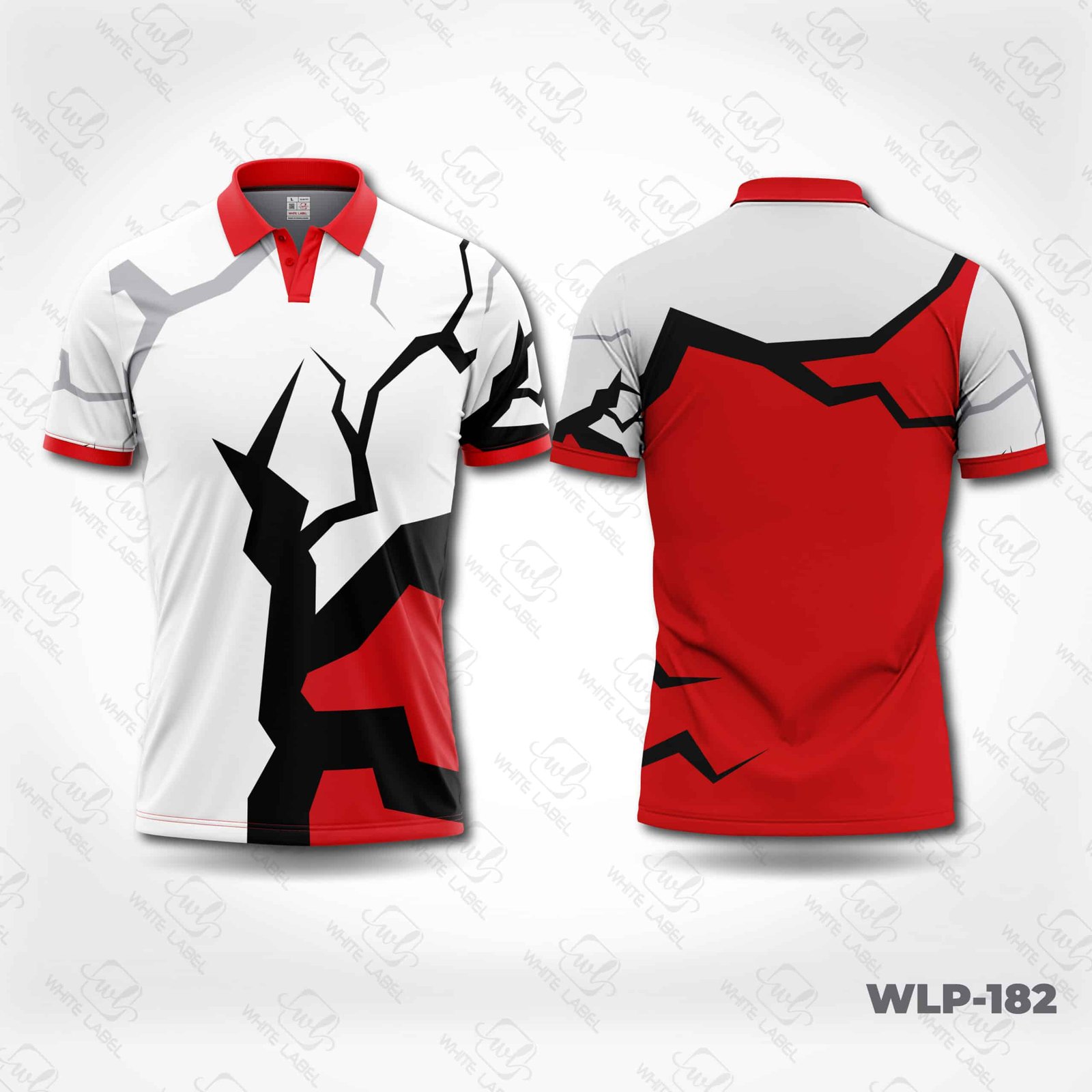
Jersey design is an essential element in the world of sports, fashion, and branding. Whether it’s a professional team kit, a recreational sports jersey, or a stylish streetwear piece, the design plays a crucial role in defining identity, enhancing performance, and fostering a sense of community. A well-designed jersey not only represents a team, brand, or cause but also balances comfort, durability, and functionality for the wearer.

The Importance of Jersey Design

  1. Team Identity and Branding One of the primary functions of jersey design is to symbolize a team's identity. Colors, logos, and patterns are integral to showcasing the team’s values, heritage, and culture. Think about iconic teams like Barcelona or the New York Yankees. Their jerseys carry deep historical significance, reflecting not just the team’s brand but the city or community it represents.

    For businesses and organizations, jerseys also play a role in brand visibility and recognition. For example, jerseys worn by athletes during events often become a powerful tool for global marketing. Brands like Nike, Adidas, and Puma strategically design jerseys to be both high-performance and highly marketable.

  2. Performance and Comfort Functionality is at the heart of jersey design, especially for athletes. A well-designed jersey must enhance the performance of the wearer, ensuring comfort during intense physical activity. This involves choosing the right materials, ensuring flexibility, breathability, and moisture-wicking properties. Today’s jerseys use advanced fabrics like polyester blends, mesh, and even performance textiles like spandex or Lycra to optimize movement and temperature regulation.

    Additionally, features like ergonomic stitching, ventilation zones, and body-mapping designs ensure that athletes can perform at their peak without being hindered by their gear.

  3. Cultural Significance Beyond function, jerseys hold deep cultural significance. For sports fans, wearing a jersey is a way of showing loyalty and pride for a team. In some cultures, jerseys are not just garments; they become emblems of local or national identity. The pride of a city or country is often encapsulated in the design of the jersey, with national flags, local symbols, and culturally significant designs being incorporated.

    Special-edition jerseys also reflect celebrations, anniversaries, or awareness campaigns, such as those designed for Pride Month, Breast Cancer Awareness, or commemorating a historic achievement.

Key Elements in Jersey Design

  1. Color Palette The choice of colors in a jersey design is crucial. Colors can convey a team's personality, evoke emotion, and make a bold statement. Red often symbolizes power and passion, while blue can represent trust and stability. Yellow and gold might symbolize optimism and prestige. Each color has its cultural meaning, making it an essential part of the design process.

  2. Logos and Text Logos are the cornerstone of jersey design. Whether it’s the team logo, sponsor logos, or personal branding, they need to be prominent yet not overwhelming. Typography used for player names and numbers also requires careful consideration—fonts need to be legible and aesthetically aligned with the jersey’s overall design.

  3. Patterns and Graphics Beyond colors and logos, the design often includes intricate patterns or graphics that add to the overall appeal. These could be geometric shapes, stripes, gradients, or custom designs that represent a team's history or location. For example, the "lightning bolt" pattern on a soccer jersey can evoke speed and dynamism, while traditional checkered patterns can symbolize a team’s regional roots.

  4. Fit and Cut Modern jersey designs also pay attention to fit and cut. In sports like soccer, cycling, or rugby, jerseys need to be snug enough to avoid distraction but still allow free movement. For casual wear, the fit might lean more towards streetwear aesthetics, with looser cuts and more relaxed designs. A jersey’s shape affects both its performance and how it’s perceived in the fashion world.

  5. Material Innovation With advancements in fabric technology, jersey designs are now optimized for both performance and comfort. For example, modern materials like moisture-wicking fabrics, mesh panels, and lightweight synthetics help keep athletes cool and dry during games. These materials allow for ventilation and breathability, critical for high-endurance sports.

Trends in Modern Jersey Design

  1. Sustainability As environmental consciousness continues to grow, many jersey designers are turning to sustainable materials. Recycled polyester and organic cotton are becoming more popular, as manufacturers aim to reduce the environmental footprint of the fashion and sportswear industries.

  2. Retro and Nostalgia Another rising trend in jersey design is the nostalgic, retro look. Many teams and brands are revisiting old designs and revamping them for a modern audience. Vintage logos, old-school patterns, and classic color schemes are making a strong comeback in both sports and casual fashion.

  3. Customization With the rise of personal branding, customization has become a huge trend in jersey design. Fans can now personalize their jerseys with their names or choose custom colors and styles, which offers a more personal connection to the team or brand.

  4. Tech-Infused Designs Beyond fabrics, technology is also being integrated into jersey design. Smart fabrics, which adjust to temperature, provide muscle support, and track physical performance, are becoming more common in jerseys. Additionally, augmented reality (AR) and interactive elements are being explored to enhance fan engagement and experience.

Challenges in Jersey Design

While the opportunities for jersey design are vast, there are also several challenges that designers face. One of the key obstacles is balancing aesthetics with performance. While a design may look visually striking, it must not sacrifice the wearer’s comfort or functionality. Additionally, creating designs that appeal to both athletes and fans can be a delicate balance. Fan loyalty and brand recognition also mean that jerseys must maintain a balance between tradition and innovation.

Conclusion

籃球衫訂製 has come a long way from being simple uniforms to becoming an expression of identity, culture, and performance. Whether you’re an athlete, a fan, or simply someone who appreciates good design, jerseys offer a fascinating blend of art, sport, and storytelling. As technology and fashion continue to evolve, jersey design will undoubtedly keep pushing boundaries—creating designs that inspire, empower, and unite communities.

Mastering Sundries Storage: Smart Solutions for a Clutter-Free SpaceMastering Sundries Storage: Smart Solutions for a Clutter-Free Space

Efficient sundries storage is crucial for keeping homes, offices, and warehouses organized. Cluttered spaces not only create stress but also reduce productivity. With the right storage techniques, you can maximize space, enhance accessibility, and protect your belongings. This guide provides expert tips, storage hacks, and innovative organization strategies to help you create a seamless and clutter-free environment.

1. Why Effective 執屋技巧 Matters

A well-organized storage system offers numerous advantages, including:

Optimizing available space

Improving efficiency and accessibility

Preventing damage to stored items

Reducing stress and clutter

By incorporating smart storage solutions, you can maintain a structured and functional space, making daily life more convenient.

2. Categorizing Sundries for Better Organization

To enhance storage efficiency, categorize sundries based on their usage, size, and storage requirements.

A. Daily Essentials

  • Keep frequently used items in accessible locations such as open shelves or labeled drawers.
  • Use clear containers for quick identification.
  • Store office supplies in desktop organizers for easy retrieval.

B. Seasonal and Seldom-Used Items

  • Use vacuum-sealed bags for clothing, bedding, or holiday decorations.
  • Store seasonal items in labeled bins and place them in under-bed storage or closets.
  • Arrange storage in a hierarchical manner—frequently used items at the front and less-used ones at the back.

C. Fragile and High-Value Items

  • Wrap delicate items in bubble wrap or soft padding to prevent breakage.
  • Store valuables in sturdy containers with secure lids.
  • Consider using a climate-controlled storage unit for sensitive materials.

3. Best Storage Solutions for Maximizing Space

The key to effective sundries storage is using space-saving techniques and innovative storage solutions.

A. Transparent Storage Containers

Using clear plastic bins allows you to see stored items at a glance, eliminating the need to open multiple boxes.

B. Adjustable Shelving Units

Install adjustable shelving to accommodate items of different sizes and maximize vertical space.

C. Drawer Dividers and Small Organizers

For storing small items such as jewelry, office supplies, or kitchen utensils, use modular drawer organizers to prevent clutter.

D. Wall-Mounted Racks and Hooks

Utilizing wall-mounted storage frees up valuable floor space and keeps items easily accessible. Great for garages, offices, and small apartments.

E. Under-Bed and Over-the-Door Storage

  • Store shoes, blankets, or off-season clothing in under-bed storage boxes.
  • Hang accessories, toiletries, or cleaning supplies in over-the-door organizers to make use of vertical space.

4. Decluttering: The Foundation of an Efficient Storage System

Regular decluttering is essential to keep your storage space organized and functional. Follow these steps to maintain order:

  1. Sort through stored items and remove anything unnecessary.
  2. Donate, sell, or recycle items that are in good condition but unused.
  3. Implement a “one in, one out” rule—for every new item, remove an old one.
  4. Schedule periodic decluttering sessions to prevent buildup.

5. Storage Tips for Different Spaces

A. Home Storage Hacks

️ Use floating shelves for books, decorations, and kitchenware.

️ Store bulk pantry items in airtight, labeled jars to maintain freshness.

️ Utilize under-sink organizers to keep cleaning supplies neat and accessible.

B. Office & Workspace Storage Solutions

️ Keep paperwork and documents in labeled binders or digital files.

️ Use cable organizers to prevent tangled wires and chargers.

️ Install pegboards or magnetic strips to store small office tools efficiently.

C. Warehouse & Business Storage Techniques

️ Implement a FIFO (First-In, First-Out) system for inventory rotation.

️ Use industrial shelving and stackable bins for easy organization.

️ Label all storage areas clearly to improve workflow and efficiency.

6. Maintaining a Long-Term Storage System

To ensure long-term organization and efficiency, follow these best practices:

  • Regularly review and update your storage arrangement.
  • Label all storage bins and shelves for easy identification.
  • Rotate stored items to prevent prolonged storage of rarely used goods.
  • Use pest control and moisture absorbers to protect stored items from damage.

By following these sundries storage strategies, you can keep your space well-organized, clutter-free, and functional.