
Category: Business

7 Furnace Warning Signs To Watch For and What They Mean – Your Guide7 Furnace Warning Signs To Watch For and What They Mean – Your Guide


It's winter and along with it the requirement for a well working furnace that can ensure your home is snug and warm. What happens when the furnace is acting up? What are the signs to look out for and what are they indicating? In this article we'll go over seven typical furnace warning signals to never overlook.

The most obvious indications that something is not right in your furnace is the appearance of strange sounding. If you notice a rattling sound, crackling, or odd noises emanating from your furnace, it's a clear indication that you have a problem. The sounds could be triggered by any issue from a broken motor belt to a malfunctioning pilot light. No matter what the reason, it's crucial to have an experienced tech look it up immediately to avoid the possibility of further damage.

Another sign of trouble to be on the lookout for is if the furnace produces less heating than normal. If you are frequently adjusting the thermostat the highest setting in order to warm up this may be an indication that the furnace isn't functioning correctly. It could be because of many different issues for instance, a blocked air filter, an inoperable thermostat or perhaps a malfunction within the actual furnace. Whatever the reason, it is recommended to have it examined by a qualified specialist for your safety and health security.

If you find that your energy bill is higher than normal this may be an indication that your furnace isn't working properly. The age of your furnace or its malfunction will cause your monthly utility bill to increase dramatically, because it is unable to generate sufficient warmth. Making sure your furnace is regularly checked and maintained could help you avoid this expense and help maintain your furnace's efficiency.

A further warning sign that you should be alert for is when your furnace is continuously turning off and on or is shutting down intermittently. This could be the result of many issues for instance, a defective thermostat, an obstruction in the air filter or building up of dust and other debris inside the furnace vents. No matter the reason the cause, you must get it checked by an experienced technician to avoid a total breakdown of your furnace.

It is essential to be aware of the warning indicators and not ignore the warnings. Making sure you take care of your furnace could keep you from costly repair and energy bill reductions. If you observe any of these warning indicators be sure to get your furnace examined and repaired by a qualified professional in order to protect your safety and health your residence during winter season.

Strange Noises Coming From Your Furnace

If you are hearing strange sounds emanating from your furnace, you must know the meaning behind these noises and if they could be a sign of a possible malfunction. Strange sounds could be a sign of trouble in your furnace that shouldn't be overlooked.

One of the most popular sounding sounds that you can be hearing is a booming sound. The cause could be various issues for instance, a broken or a loose component within the furnace. It's essential to get the issue examined and fixed quickly to avoid further damage, and make sure your furnace's functioning properly.

Another sound to look out for is a loud squealing sound. It could be a sign of problems in the blower motor or belt in the furnace. In the absence of this, you could result in more costly repair and could result in increased heating bills. It is recommended to seek expert repairs when you hear such a sound.

If you hear a continuous sound of clicking, it's emanating directly from the furnace's ignition. This could mean that the ignition system is not working or that there's a problem regarding the flow of gas. This issue must be addressed immediately, since an issue with the ignition could cause safety issues as well as carbon monoxide leaks.

As with the click noise and a continuous humming sound could be a sign of a problem either with the igniter or blower motor. It's evident in the event that the furnace is turned either on or off. If you hear this noise regularly, you must get a professional to inspect and fix the furnace.

If you're hearing a loud or vibrating sound It may be caused by an unclean ductwork or an obstructed air filter. Cleaning and changing air filters is a good way to avoid this problem. If you hear a constant noise you should consult a qualified technician to examine your furnace in order to determine and address the cause.

Sometimes it is possible to hear an gurgling sound or a bubbling sound. This may indicate a possible an issue with the water in your furnace. It is crucial to fix this issue quickly to stop any further harm and the growth of mold. An expert should be sought out to determine the cause and then fix the leak.

Musty, dusty, or musty smells emanating out of your furnace can be an indication that dirt and other debris has been accumulating in the. A regular cleaning of your furnace and the components it is able to help get rid of these odors as well as improve the air quality of the home.

In the end, if you find that the furnace keeps turning off or running periodically, it could be the thermostat is not working properly or heat exchanger. These issues could cause problems with the effectiveness and life span of the furnace. Repairs by a professional are typically required for resolving these issues.

To conclude, if you're hearing strange sounds or smells that are unusual coming from your furnace, you need to address the issue by a qualified HVAC technician. In the absence of these signs, you could cause more extensive repairs that could cause harm to the safety and health of your house.

Frequent On and Off Cycles

A common sign to be aware of is the regular turning off and on cycles that your heater is experiencing. If you notice that your furnace keeps switching between on and off, and not completing the full heat cycle, it might indicate a problem.

The issue could be caused by a number of factors including a defective thermostat, inadequate airflow or an issue with the flame sensor. You must address the issue as soon as possible, since it could result in increased wear and tear to the furnace, and could lead to more expensive repairs later on. In addition, regular cycling could affect the performance of your furnace. This can result in higher costs for energy.

What is the reason for the frequent switching of on and off cycles?

There are a variety of reasons your furnace could have frequent on and off cycle. There are a few common triggers to be aware of:

Possible Causes Solution
1. Incorrect thermostat setting Check that your thermostat is set at the right temperature and in the proper mode (heating or cooling).
2. Filters for air that have become blocked Clean or replace regularly your air filters regularly to ensure the proper flow of air and avoid any restriction that could lead to shorter cycling.
3. Malfunctioning flame sensor Replace or clean the flame sensor to make sure it is able to detect the flame correctly, thus preventing repeated on and off.
4. Vents that are blocked or dirty vents Check and clean the vents and ducts in order to assure airflow that is free and the an even distribution of the hot air.
5. Undersized or oversized furnaces If your furnace is too large or small for the space you live in the result could be frequently cycle. You should consider replacing your furnace by a more appropriate-sized model.
6. Issues with pilot lights or ignition If the ignition or pilot light device is not functioning properly and causing the furnace to turn off and then turn on often. Consult a technician to identify and resolve the issue.
7. Problems with wiring or electrical power The wiring or electrical connection that is faulty issues could also cause the frequent cycle. A professional should examine and fix any electrical issues.

When you've noticed frequent off and on off cycle with your furnace, make sure to speak with a trained HVAC technician to determine the issue and fix it. They are able to determine the cause and fix the issue to make sure your furnace is operating in a safe and efficient manner. In the absence of this problem, it could cause more damage to your furnace but could also create risk to health issues, including the increase in carbon monoxide emissions in your house.

Increasing Energy Bills

If you've seen a dramatic rise in the cost of your energy It may be an indication that you have an issue in the furnace. Below are some things to look out for:

1. In the event that your furnace appears to be always running, it might indicate there's a problem in the wiring or motor. It could result in higher costs for energy as furnaces are working more to keep the temperature at the right level.

2. Infrequently shutting off The other side when your furnace is closing intermittently, and is it is not delivering a constant amount of warmth all over your residence It could also contribute to a rise in energy costs. It is required to perform more work to heat your house when it is turned on, which can result in more energy use.

3. In the event that you're experiencing increased the humidity level in your house this could indicate that your furnace isn't functioning correctly. A higher humidity level can force the furnace to run longer and consume greater power to maintain an appropriate temperature.

4. Odors that are strange: If you observe any odd smells from your furnace, you need to get it examined by an expert. The smells you notice could signal an issue with your wiring or the possibility of a fire danger and both could cause a rise in energy bills and also pose the risk of the safety and health of your family members.

5. Carbon monoxide leaks can occur: An unreliable furnace may emit carbon monoxide, which is an extremely poisonous gas. If you observe any symptoms of poisoning by carbon monoxide, including headaches, dizziness or flu-like symptoms. Leave your house immediately and contact an expert to repair.

6. Vents are blown by dust: If you're always having to deal with dusty vents within your house this could indicate that your furnace is in need of clean-up or that your air filters require to be changed. The dust can impede airflow, and force your furnace to be more efficient, leading to greater energy consumption.

7. Lights flashing on your furnace If you notice lighting flashes on your furnace, that's an indication that you have an issue that requires to be dealt with. If you ignore these warning signals, it can result in more significant problems and higher bills for energy.

If you notice some of the warning symptoms, it's recommended to get your furnace examined by a professional. They'll be able to pinpoint the issue and suggest the needed repair or maintenance task to ensure your furnace is operating effectively and avoid high cost of energy. Do not wait until the furnace fails completely, acting now will save your from expensive repairs and help ensure your house remains warm and cozy throughout the winter season.

Uneven Heating Throughout Your Home

The most frequent indications that you may have an problem with your furnace is inconsistent heating in your house. If you're noticing that some rooms are warmer than the other rooms, or you're experiencing difficulty maintaining a steady temperature in your home It's the right an ideal time to get your furnace checked.

Here are 7 indicators to be on the lookout for:

  1. Inequal distribution of heat while heating your furnace. It could indicate that something has stopped the air flow within your system. This causes heat to not be evenly distributed.
  2. Higher heating bills. If your bill for energy is steadily rising during the last couple of months, without a specific change in your usage, it's a signal that your furnace is operating longer than usual to maintain your home's temperature.
  3. Air filters that have discolouration or are dusty. Filters that have become clogged or dirty could restrict circulation of air, and can reduce the efficiency of your furnace. This can result in unbalanced heating.
  4. Unexpected sounding. If you can hear a banging sound and rattling or odd sounds coming from the furnace, it may be an indication that something is not right on the blower motor, or the other parts of the heating system.
  5. Issues with the pilot light. If you have a furnace that has pilot lights be sure to check if it's frequently out, or whether the flame appears to be flickering. It could be a sign of a problem in the ignition system, or gas supply issues.
  6. Regular breakdowns. If your furnace is constantly breaking down and needs to be repaired It's an indication that there's anunderlying problem that must be fixed.
  7. Odours, smells or scents. If you are noticing a peculiar scent, like an odour of fuel that is strong or an unpleasant smell that emanates out of your vents, it could indicate the presence of gas or a trouble within the air ducts.

If you're seeing any of these indications, it's crucial to seek out a professional for inspection and identify the issue in the furnace. They'll help you determine what's causing the heating issue and advise correct adjustments or repairs in order to stop further issues from occurring.

In terms of your family's safety and security Don't ignore these signs of danger. Being proactive will increase the efficiency of temperature inside your home, but can also avoid expensive breakdowns as well as potentially hazardous circumstances, like the leak of carbon monoxide.

The key for avoiding breakdowns of furnaces as well as ensuring that you have adequate heating throughout your house is to maintain your furnace regularly and pay close observation of any indications of problems. Don't be afraid to contact a professional such as ProSolutions Heating & Cooling if you're experiencing any of the alarm signs.

A Yellow Flame Instead of Blue


A warning sign to be aware of is the presence of a glowing yellow instead of an orange flame on the furnace. A furnace is supposed to display a continuous blue flame, which indicates that the fuel is being burned efficiently. But if you observe the flame is yellow instead this could be an indication there's something not right with your heating unit.

There may be a myriad of causes that cause your furnace's flame to turn colored yellow rather than blue. The most common reason is low level of oxygen. This could disrupt combustion which causes the flame to change color to yellow. It may be caused by dirty air filters or blocked vents within the home. It's essential to periodically change or clean the filters on your air conditioner and to ensure that you have adequate air flow in your home, to prevent this issue.

Another reason that could cause the yellow flame could be an issue in the burner. As time passes, the burner can be corroded or dirty which can affect their ability to create blue flames. If this happens it is possible to wash or replace the burner to ensure that it is burning properly.

In certain instances the yellow flame may indicate an even more serious issue, like the presence of carbon monoxide. Carbon monoxide is a non-color gas with no odor that could be very dangerous. If you suspect there's a carbon monoxide leak, you must to turn off the furnace, make windows open for air circulation, and then evacuate the home. Get a technician from a reputable company to check your furnace, and then address the problem.

It is important to bear the fact that the majority of yellow flames don't alarming. In some instances, a glowing yellow flame is visible when the furnace is shut down or at the beginning of the furnace. During these times, it's normal for the flame to appear unbalanced. If you observe an unabated yellow flame in the course of operation, you'll want to get a professional to inspect the furnace to confirm that your furnace is operating effectively and safely.

A glowing yellow flame on the furnace isn't a common sign. It could be a sign of a malfunction in the heating system. Be attentive to this sign of warning and follow the actions to make sure the furnace has an orange flame. Regularly scheduled maintenance and quick repairs will help to prevent failures, and prolong the life of your furnace.

If you're noticing one of these signs or have doubts about the health that your heating system is in, it's advised to talk with the experts with ProSolutions Heating & Cooling. They will help you identify the problem and fix it. They can also assure that your furnace is operating smoothly and safely during the colder seasons. So don't wait. Call ProSolutions Heating & Cooling today!

Calgary Air Heating and Cooling Ltd Contacts:

Address

95 Beaconsfield Rise NW, Calgary, AB T3K 1X3

Phone

+1 (403) 720-0003

Hours of operation

Open 24 hours 7 days a week

Map

Video:

Commonly asked questions:

What are the possible indicators to tell me my furnace has gone out of commission?

A few possible indicators of an unreliable furnace are strange sounds, smells that are unusual insufficient heating, regular cycle, expensive bill for energy and the flickering or yellow pilot light.

Why are there odd odors emanating from the vents of my furnace?

There could be many reasons that may be causing strange smells out of furnace vents. This could be due to an odor of gas, accumulation of dust and other debris inside the ducts or ducts, broken blower motor, or perhaps a malfunction in the furnace's combustion system. It is essential that a qualified professional examine and identify the problem for safety and to ensure efficient operation that the furnace.

Do you notice a peculiar smell coming from furnace vents an indication of concern?

It's not always the case. The odd smell emanating from the vents of your furnace could be due to an element as small like dust burning away as the system is turned up for the first time in time. But if the smell continues or is associated with any other signs of danger then it's best to get a professional inspection of the furnace for the possibility of a danger.

What do I do when I detect an unusual smell coming from the vents of my furnace?

If you detect a peculiar scent emanating through your furnace's vents it's important to take action immediately. The first step is to look for evident signs of danger for example, gas scent. If you suspect that there is a gas leak, you must immediately shut off your furnace. leave the affected area and call your gas provider. If there's any immediate threat It is advised to shut off the furnace, and call a certified HVAC technician to investigate and determine the cause.

What can I do to prevent weird aromas that come from my furnace's vents?

In order to prevent unpleasant smells from being released from the furnace's vents, it's vital to periodically take care to clean and maintain your furnace. It is important to change the air filter according to recommendations by your manufacturer arranging periodic inspections and tune-ups and maintaining the surrounding area close to the furnace spotless and free of dust. In addition, an adequate ventilation system and high-quality indoor air could help to reduce the risk of unpleasant odors being released from furnace's vents.

The Importance of Ethics in Marketing: Building Trust in a World of ChoicesThe Importance of Ethics in Marketing: Building Trust in a World of Choices

The Importance of Ethics in Marketing is everywhere—it shapes the way we think, influences what we buy, and even impacts the way we see the world. But with such power comes responsibility. In today’s competitive landscape, ethical marketing isn’t just a nice-to-have; it’s a must-have. Why? Because people crave authenticity, honesty, and brands they can trust.

Let’s explore why ethics in marketing is essential and how it can elevate your brand while creating a positive impact on the world.

1. Building Trust with Your Audience: Imagine walking into a store where the salesperson is overly pushy or promises things they can’t deliver. Would you go back? Probably not. The same applies to marketing. Misleading claims, hidden fees, or exaggerated benefits might get you a quick sale, but they won’t build long-term trust.

Ethical marketing ensures that your audience knows exactly what they’re getting. Whether it’s being transparent about product ingredients, pricing, or delivery timelines, honesty builds credibility—and credibility leads to loyalty.

2. Standing Out in a Crowded Market: Let’s face it: consumers are spoiled for choice. No matter what you’re selling, there’s a competitor out there offering something similar. What sets you apart? Your values.

Brands that prioritize ethics send a clear message—they care about more than just profit. Companies like Patagonia or Ben & Jerry’s have built empires by aligning their marketing with their values, whether it’s sustainability or social justice. People love to support businesses that reflect their own beliefs and stand for something meaningful.

3. Avoiding Legal and PR Nightmares: We’ve all seen stories of brands that were called out for unethical practices—false advertising, cultural appropriation, or greenwashing. The result? Public outrage, lawsuits, and irreparable damage to their reputation.

By sticking to ethical marketing practices, you can avoid these pitfalls. Being transparent, respecting cultural differences, and ensuring your campaigns are inclusive can save you from costly mistakes that could harm your brand.

4. Ethics Drives Word-of-Mouth Marketing: People love sharing positive experiences. When your marketing practices are ethical, customers feel good about supporting you—and they’re more likely to tell their friends.

For instance, if your company donates a portion of profits to a good cause or uses sustainable packaging, customers will share that story. In an age where social media amplifies everything, ethical behavior can be a powerful tool for organic growth.

5. Creating a Positive Workplace Culture: Ethics in marketing doesn’t just affect your customers—it impacts your team too. Employees are proud to work for companies that do the right thing. When your marketing aligns with ethical values, it fosters a sense of purpose within your organization.

This leads to higher employee satisfaction, better teamwork, and ultimately a stronger brand. After all, happy employees make for happy customers.

6. The Ripple Effect of Doing Good: When you practice ethical marketing, the impact goes beyond your business. You set an example for your industry, inspire competitors to follow suit, and contribute to a culture of honesty and responsibility.

Think about it: when businesses prioritize ethical practices, they create a ripple effect that benefits society as a whole.

Final Thoughts: Ethics as a Competitive AdvantageIn today’s world, consumers are smarter and more conscious than ever. They know when they’re being misled, and they won’t hesitate to call it out. Ethical marketing isn’t just about avoiding bad press—it’s about building meaningful relationships with your audience.

By being honest, transparent, and responsible in your marketing practices, you not only build a strong brand but also contribute to a better, more trustworthy world. And let’s be real—doing the right thing just feels good.

So, the next time you plan a marketing campaign, remember: ethics aren’t a limitation—they’re your greatest advantage.

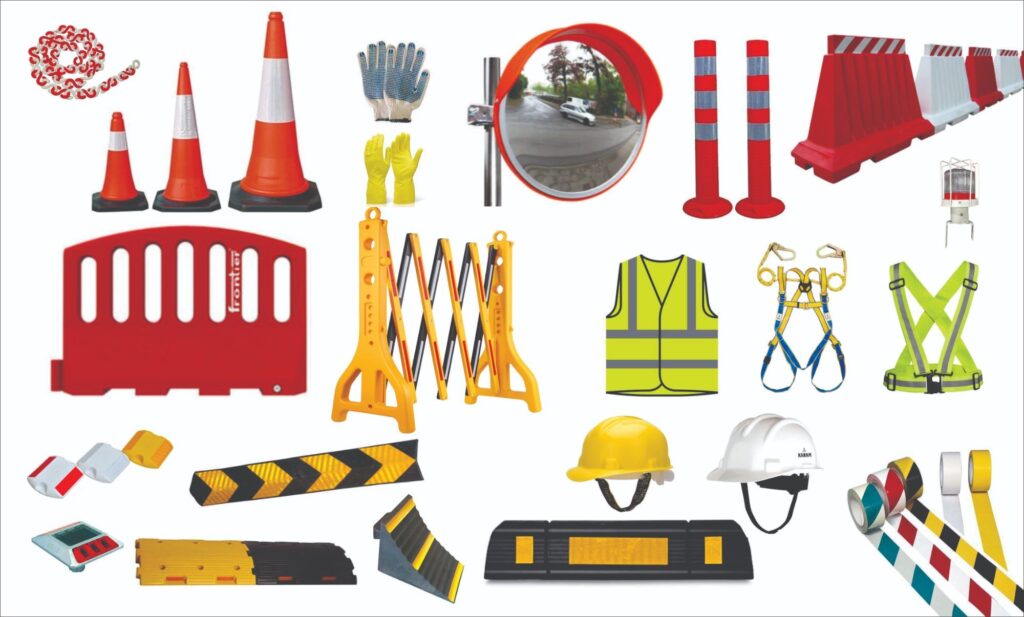
How Road Safety Products Can Save Lives on the RoadHow Road Safety Products Can Save Lives on the Road

Road safety is a critical aspect of modern transportation, and its importance cannot be overstated. As road networks expand and vehicle usage grows, the need for effective road safety products becomes paramount. These products are not merely tools; they are lifesavers that protect drivers, pedestrians, and all road users. This article delves into the world of road safety products, exploring their types, benefits, and significance in creating safer roadways. marine products supplier.


The Importance of Road Safety Products

Road safety products are designed to prevent accidents, minimize injuries, and safeguard lives. They are integral to traffic management systems and contribute to smoother, safer transportation experiences. From simple reflective tapes to advanced electronic systems, these products address a range of safety concerns.

Key Objectives of Road Safety Products

  1. Accident Prevention: Reducing the likelihood of collisions by alerting drivers and pedestrians to potential hazards.
  2. Traffic Regulation: Managing vehicle flow to prevent congestion and chaos.
  3. Injury Reduction: Mitigating the impact of accidents through protective barriers and cushioning.
  4. Awareness Promotion: Enhancing visibility and communication to ensure all road users understand and comply with safety rules.


Types of Road Safety Products

Road safety products encompass a diverse range of items, each serving a unique purpose. Here’s an in-depth look at some essential categories:

1. Road Markings and Signage

  • Traffic Signs: These include stop signs, speed limit signs, and directional boards that guide drivers.
  • Pavement Markings: Painted lines and symbols on roads that help in lane demarcation, pedestrian crossings, and parking spaces.
  • Reflective Signboards: Equipped with high-visibility materials for better readability during low-light conditions.

2. Barriers and Crash Cushions

  • Guardrails: Metal barriers along highways to prevent vehicles from veering off the road.
  • Crash Cushions: Absorb the impact of collisions and minimize injuries.
  • Concrete Barriers: Used in high-speed zones to separate opposing traffic lanes.

3. Traffic Management Devices

  • Cones and Bollards: Used for lane closures, diversions, or work zones.
  • Speed Bumps and Humps: Installed to slow down vehicles in residential or school areas.
  • Road Studs (Cat’s Eyes): Embedded on roads to reflect light, enhancing lane visibility at night.

4. Pedestrian Safety Tools

  • Zebra Crossings: Marked areas for pedestrians to cross safely.
  • Pedestrian Barriers: Fencing that prevents jaywalking and directs pedestrians to safe crossing points.
  • Flashing Beacons: Alerts drivers to pedestrian zones or crossings.

5. Vehicle Safety Enhancements

  • Reflectors and Stickers: Improve visibility of vehicles, especially at night.
  • Anti-Skid Paints: Applied on roads to reduce slipping hazards.
  • Road Flares: Used during vehicle breakdowns to warn other drivers.

6. Technological Innovations

  • Intelligent Traffic Signals: Sensors that adapt traffic light timings based on real-time vehicle flow.
  • Speed Cameras: Monitor and deter speeding vehicles.
  • Advanced Driver Assistance Systems (ADAS): Features like collision warnings, lane-keeping assist, and automatic braking.


Benefits of Implementing Road Safety Products

1. Reducing Accidents and Fatalities

Effective road safety products significantly lower the risk of accidents. For instance, speed bumps reduce vehicular speed, and crash barriers prevent severe collisions on highways.

2. Enhancing Road User Awareness

Reflective signs and markings improve awareness, ensuring drivers and pedestrians are alert to hazards, speed limits, and road conditions.

3. Cost-Effectiveness

Though an upfront investment, road safety products save money by reducing medical expenses, vehicle repairs, and infrastructure damage caused by accidents.

4. Environmental Benefits

Traffic management devices reduce fuel consumption and emissions by minimizing congestion and enabling smoother traffic flow.

5. Promoting Sustainable Development

Well-implemented road safety measures enhance connectivity and contribute to safer, more livable communities, aligning with global sustainable development goals.


Choosing the Right Road Safety Products

1. Understand Local Requirements

Different regions have varying traffic rules and infrastructure needs. Products should comply with local regulations and standards.

2. Consider Durability and Quality

Investing in high-quality, weather-resistant products ensures long-term functionality and safety.

3. Prioritize Visibility and Clarity

High-visibility materials, like reflective paints and LED-based devices, are crucial for nighttime and low-visibility conditions.

4. Opt for Technological Upgrades

Innovative products like solar-powered signs and smart traffic management systems enhance efficiency while being eco-friendly.


Case Studies: Real-World Impact of Road Safety Products

1. Crash Barriers on Mountain Roads

In hilly regions, guardrails have drastically reduced fatalities by preventing vehicles from plunging into valleys.

2. Pedestrian Zones in Urban Areas

Cities implementing pedestrian crossings with flashing beacons have observed a 40% reduction in pedestrian accidents.

3. Intelligent Traffic Signals

Metropolitan areas using adaptive traffic lights report a 20% decrease in congestion and a 15% reduction in accidents at intersections.


Future Trends in Road Safety Products

As technology evolves, the road safety sector is witnessing innovative advancements:

  1. Smart Highways: Roads equipped with sensors that monitor traffic, weather, and road conditions in real time.
  2. Connected Vehicles: Cars that communicate with infrastructure to prevent collisions and improve traffic flow.
  3. Eco-Friendly Materials: Biodegradable road studs and solar-powered signage are gaining popularity.
  4. Augmented Reality (AR): AR navigation systems that project real-time safety alerts onto windshields.


Challenges in Implementing Road Safety Products

  1. Cost Constraints: High initial investment deters adoption, especially in developing regions.
  2. Maintenance Requirements: Regular upkeep is necessary to ensure product effectiveness.
  3. Lack of Awareness: Many road users underestimate the importance of safety measures, leading to non-compliance.


Conclusion

Road safety products are indispensable for reducing accidents, saving lives, and fostering efficient traffic systems. Whether through basic tools like road signs or advanced systems like intelligent traffic signals, their role in creating safer roadways cannot be overlooked.

Investing in road safety products is not just a responsibility of governments and organizations but also an essential step toward a more secure and sustainable future. By prioritizing safety on our roads, we pave the way for a world where mobility is both efficient and risk-free.


Affordable and Chic Ramadan Table Decoration TipsAffordable and Chic Ramadan Table Decoration Tips

Ramadan, a sacred month of fasting, reflection, and togetherness for Muslims worldwide, culminates each day with Iftar—the breaking of the fast. It’s not just a meal; it’s a celebration of community, gratitude, and spiritual renewal. To enhance the beauty of this cherished moment, setting a Ramadan-themed table can create an inviting and reflective atmosphere. With thoughtful decor, your Ramadan table can be a harmonious blend of tradition, elegance, and personal creativity. Name plaque.

1. Understanding the Essence of Ramadan Table Decor

Decorating for Ramadan isn’t just about aesthetics; it’s about creating an ambiance that reflects the spirit of the month. A Ramadan table should:

  • Celebrate tradition and culture.
  • Be functional, facilitating a comfortable Iftar experience.
  • Include elements symbolizing spirituality, such as crescent moons, stars, and lanterns.

Keeping these elements in mind ensures your table decor aligns with the occasion's significance.


2. Choosing a Theme for Your Ramadan Table

Your table’s theme sets the tone for the evening. Here are some popular ideas:

a. Traditional Elegance

Opt for intricate Islamic patterns, earthy tones like gold, emerald, and maroon, and use authentic materials such as brass, wood, and ceramic.

b. Modern Minimalism

Use muted tones like beige, white, and gray with clean lines and subtle decorations. A simple crescent moon centerpiece can complete the look.

c. Festive Glamor

Bright colors, fairy lights, and glittery accessories create a vibrant, celebratory atmosphere. Perfect for larger family gatherings or community events.


3. Essential Elements of a Ramadan Table

a. Tablecloths and Runners

Start with a tablecloth as your base. For a Ramadan vibe:

  • Choose fabrics like linen or satin with Islamic geometric patterns.
  • Add a runner featuring crescent moons, stars, or lantern designs.
  • Layer with contrasting colors for a dynamic effect.

b. Centerpieces that Shine

The centerpiece is the focal point of your table. Ideas include:

  • Lanterns: Iconic symbols of Ramadan, lanterns (fanoos) in gold or silver, filled with candles or fairy lights, add warmth.
  • Floral Arrangements: Combine fresh flowers with crescent moon or star accents.
  • Date Displays: Use elegant glass bowls or wooden trays to hold dates, a staple for breaking the fast.

c. Tableware with Purpose

Your plates, glasses, and cutlery should complement your theme. Consider:

  • Ornate gold-rimmed plates for a regal touch.
  • Glassware with Arabic calligraphy or subtle etchings.
  • Napkin rings shaped like crescents or stars.


4. Adding Personalized Touches

Adding personal elements makes the table decor meaningful:

  • Name Cards: Write guests' names in Arabic calligraphy.
  • Handmade Decorations: Origami stars, crescent shapes, or DIY lanterns can involve the whole family in preparations.
  • Goodie Bags: Place small gift bags with dates, prayer beads, or sweets at each guest’s seat.


5. Incorporating Lighting for Ambiance

Lighting sets the mood for Iftar:

  • Candles: Arrange tea lights or pillar candles along the table for a serene glow.
  • Fairy Lights: Weave LED lights around the centerpiece or along the table edge.
  • Overhead Lighting: Hang decorative lanterns or pendant lights for an ethereal effect.


6. Cultural and Regional Flair

Celebrate your heritage by incorporating regional elements:

  • Middle Eastern Style: Use Moroccan lanterns, Arabian-style coffee pots, and mosaic patterns.
  • South Asian Influence: Add colorful bangles as napkin rings or vibrant tablecloths.
  • Turkish Elegance: Opt for Iznik pottery-inspired designs and tulip motifs.


7. Sustainable and Eco-Friendly Decor

Ramadan encourages mindfulness, including caring for the environment. Use:

  • Reusable Materials: Opt for cloth napkins and ceramic dishes.
  • Natural Elements: Wooden platters, palm leaves, and dried flowers add an organic touch.
  • Recycled Decor: Repurpose mason jars, old fabric, or glass bottles for unique pieces.


8. Child-Friendly Ramadan Table Decor

Involving children in table decoration can make Ramadan more engaging for them:

  • Interactive Centerpieces: Use a calendar-style decoration where children can add a star for each day of fasting.
  • DIY Projects: Let kids craft paper lanterns or paint mason jars for decor.
  • Kid-Safe Decor: Avoid fragile or sharp items if young children are present.


9. Seasonal Inspiration

Adapt your Ramadan table to the season:

  • Spring: Use pastel colors and fresh flowers.
  • Summer: Incorporate vibrant hues and tropical elements.
  • Autumn: Use warm tones like orange and brown, with dried leaves or pumpkin accents.
  • Winter: Add snowflake patterns and cozy textures like velvet or wool.


10. Digital and Modern Enhancements

For tech-savvy hosts:

  • Digital Place Settings: Use small screens or tablets displaying guests’ names and personalized messages.
  • Projection Mapping: Project crescent and star patterns onto the table or walls for a dramatic effect.
  • QR Codes: Include codes leading to Ramadan duas or Iftar recipes on napkin rings or placards.


11. Tips for Hosting a Stress-Free Iftar

While decor is important, balance it with practicality:

  • Plan Ahead: Decide on your theme and gather materials early.
  • Prep the Night Before: Set the table ahead of time to reduce last-minute rush.
  • Keep It Comfortable: Ensure seating arrangements and table spacing are accommodating.


12. The Joy of Community and Sharing

Ramadan is about togetherness. Use your table decor to reflect inclusivity:

  • Multi-Cultural Elements: Blend decorations from various cultures to celebrate diversity.
  • Charitable Gestures: Dedicate part of your decor to raise awareness about local charities or causes.
  • Family Bonding: Involve everyone in the decoration process, fostering unity and shared effort.


Conclusion: Celebrate the Spirit of Ramadan with Creativity

Decorating a Ramadan table is an art that combines tradition, creativity, and personal expression. Whether you prefer understated elegance or a vibrant festivity, your table can embody the beauty and significance of this holy month. By incorporating thoughtful elements, sustainable practices, and family involvement, you can transform your Iftar into an unforgettable experience that resonates with the spirit of Ramadan.

Let your table reflect not just the beauty of the moment but also the deeper values of faith, gratitude, and community.


The Impact of MEP Design Consultants on Green Building CertificationsThe Impact of MEP Design Consultants on Green Building Certifications

Mechanical, Electrical, and Plumbing (MEP) systems form the backbone of any modern building. From energy-efficient HVAC systems to seamless electrical networks and reliable plumbing infrastructures, these elements define a building’s functionality and sustainability. MEP design consultants are the unsung heroes behind these systems, ensuring they meet performance, safety, and regulatory standards. In this article, we will explore the world of MEP design consultants, their roles, significance, and how they transform architectural visions into reality. Construction MEP engineering.


What Are MEP Design Consultants?

MEP design consultants are specialized professionals or firms focusing on the integrated planning, design, and management of mechanical, electrical, and plumbing systems in buildings. They work closely with architects, construction teams, and developers to deliver optimized building systems that align with the project’s requirements.

Key Responsibilities

  1. System Design: Developing blueprints and specifications for MEP systems.
  2. Energy Optimization: Ensuring energy efficiency through innovative designs.
  3. Regulatory Compliance: Meeting local, national, and international building codes.
  4. Coordination: Collaborating with various stakeholders to integrate MEP systems seamlessly.
  5. Problem-Solving: Offering solutions to complex technical challenges during construction.


Importance of MEP Design Consultants

1. Enhancing Building Efficiency

Efficient MEP systems are essential for minimizing operational costs and environmental impact. Consultants design systems that optimize energy consumption while maintaining comfort and safety for occupants.

2. Ensuring Safety

MEP consultants ensure adherence to safety codes and standards, reducing risks associated with electrical hazards, ventilation issues, or water supply problems.

3. Reducing Construction Costs

A well-thought-out MEP design eliminates unnecessary delays, material wastage, and rework, thereby reducing construction expenses.

4. Facilitating Sustainable Practices

With a growing emphasis on sustainability, MEP design consultants often integrate eco-friendly technologies, such as solar panels, water recycling systems, and energy-efficient HVAC units, into their designs.


The Scope of MEP Systems in Modern Construction

Mechanical Systems

Mechanical systems primarily involve heating, ventilation, and air conditioning (HVAC). MEP consultants design these systems to ensure indoor air quality, thermal comfort, and energy efficiency.

Electrical Systems

Electrical systems encompass power distribution, lighting, fire alarms, and communication networks. Consultants ensure reliable and uninterrupted power while considering future scalability.

Plumbing Systems

Plumbing systems include water supply, drainage, and waste management. Proper design ensures efficient water usage and compliance with environmental standards.


Key Phases of MEP Design Consulting

  1. Conceptualization and Feasibility Analysis
    • Understanding project requirements.
    • Analyzing site conditions.
    • Estimating budget and resources.
  2. Detailed Design and Documentation
    • Creating blueprints and 3D models.
    • Preparing specifications and schedules.
  3. Construction Support
    • Overseeing system installation.
    • Conducting quality checks.
    • Troubleshooting on-site issues.
  4. Post-Construction Services
    • Commissioning and performance testing.
    • Maintenance planning and operational training.


Emerging Trends in MEP Design Consulting

1. Building Information Modeling (BIM)

BIM has revolutionized MEP design by allowing consultants to create detailed 3D models. These models facilitate better visualization, coordination, and error detection before construction begins.

2. Smart Building Technologies

Integration of IoT devices and automation is becoming standard in MEP systems. Consultants are now focusing on designing smart buildings equipped with sensors and centralized control systems for better energy management.

3. Sustainability and Green Building Certifications

From LEED to BREEAM certifications, MEP consultants are leveraging green technologies and materials to create eco-friendly buildings.

4. Prefabrication in MEP Systems

Prefabrication involves assembling components off-site and then installing them on-site. This trend is gaining traction as it reduces labor costs and construction time.


Challenges Faced by MEP Design Consultants

1. Complexity in Coordination

Coordinating between architects, structural engineers, and contractors can be challenging, especially for large-scale projects.

2. Adapting to Technological Changes

With technology evolving rapidly, staying updated with the latest tools and methods is essential yet demanding.

3. Budget Constraints

Balancing high-quality designs with tight budgets often requires innovative problem-solving.

4. Regulatory Hurdles

Complying with ever-changing regulations can be a significant challenge.


Choosing the Right MEP Design Consultant

1. Experience and Expertise

Look for consultants with a proven track record and expertise in your specific industry or project type.

2. Technological Proficiency

Ensure they use advanced tools like BIM and simulation software.

3. Client References

Request references or case studies to gauge their ability to deliver successful projects.

4. Commitment to Sustainability

Prioritize firms that emphasize energy efficiency and sustainable practices.


Conclusion

MEP design consultants are integral to modern construction, bridging the gap between architectural visions and operational realities. Their expertise ensures that buildings are not just structurally sound but also efficient, sustainable, and safe. By collaborating with skilled consultants, developers can unlock the full potential of their projects, setting new benchmarks in functionality and design.

Whether you’re planning a residential complex, a commercial hub, or an industrial facility, involving MEP design consultants from the outset can make a world of difference. Their role in shaping the built environment underscores the importance of their contribution to architecture and engineering.