Dispensary Cannabis Testing Standards Ensuring Purity and SafetyDispensary Cannabis Testing Standards Ensuring Purity and Safety

Stepping into a modern dispensary, it’s easy to be impressed by the neatly packaged cannabis products, the colorful strain labels, and the knowledgeable budtenders ready to guide you. But behind the polished shelves lies a crucial element that ensures your safety and confidence: cannabis testing standards. These rigorous processes determine whether the cookies dispensary you purchase is pure, potent, and free from harmful contaminants.

In an industry still growing and evolving, testing standards are the backbone of consumer trust. Understanding how dispensaries ensure purity and safety can help you make informed choices and appreciate the science behind every product.

1. Why Cannabis Testing Matters

Unlike many other consumer products, cannabis is consumed in ways that directly impact your body—smoked, vaped, or ingested. This makes testing for safety and potency absolutely critical.

Cannabis testing ensures that your products are:

  • Free from contaminants such as mold, pesticides, heavy metals, and microbial pathogens.

  • Accurately labeled with cannabinoid content, so you know exactly how much THC and CBD you’re consuming.

  • Consistent in potency, providing a predictable and controlled experience.

Without these standards, consumers could unknowingly ingest harmful substances or receive inaccurate dosing information, which could lead to health issues or undesirable effects.

2. Key Types of Cannabis Testing

Dispensaries rely on licensed laboratories to perform a variety of tests. Some of the most important include:

1. Potency Testing
Potency testing measures the levels of THC, CBD, and other cannabinoids in a product. This is crucial for both recreational and medicinal users. Potency testing ensures that what’s on the label matches what’s inside, allowing consumers to dose responsibly.

2. Contaminant Testing
Contaminant testing checks for:

  • Pesticides and herbicides that may have been used during cultivation

  • Heavy metals like lead, arsenic, and mercury

  • Microbial contaminants such as mold, bacteria, or yeast

These tests protect consumers from potential health risks, especially those with compromised immune systems.

3. Residual Solvent Testing
Concentrates and extracts sometimes use solvents during production. Residual solvent testing ensures that these products are safe for consumption and free from harmful chemicals.

4. Terpene Profiling
While not always safety-critical, terpene profiling identifies the aromatic compounds in cannabis. Terpenes can influence effects, flavor, and overall experience, giving users more insight into what they’re consuming.

3. How Testing Standards Protect Consumers

Testing isn’t just a legal requirement; it’s a consumer safeguard. For first-time users, knowing that your cannabis has been lab-tested reduces anxiety about side effects or contamination. For medicinal users, accurate potency information is essential to manage pain, anxiety, or other conditions effectively.

Dispensary testing standards also enhance accountability in the industry. By requiring lab-certified results, states and regulators create transparency between growers, dispensaries, and consumers.

4. What to Look for as a Consumer

While dispensaries handle testing behind the scenes, consumers can benefit from knowing what to look for:

  • Lab Certificates (COAs): Most reputable dispensaries provide Certificates of Analysis (COAs) that list cannabinoid levels and confirm the absence of contaminants.

  • Clear Labeling: Look for products with clearly stated THC/CBD percentages and ingredient information.

  • Licensed Dispensaries: Purchasing from licensed establishments ensures adherence to state or country-mandated testing standards.

Asking for this information isn’t overkill—it’s part of being an informed consumer in a regulated market.

5. The Bottom Line

Dispensary cannabis testing standards are more than paperwork—they’re the foundation of safety, quality, and trust in a growing industry. From ensuring accurate potency to detecting harmful contaminants, rigorous testing protects consumers and reinforces confidence in every purchase.

Next time you pick up a jar of cannabis or a box of edibles, remember that there’s a lot more behind that colorful packaging than meets the eye. Lab testing, regulatory compliance, and safety checks all work together to ensure that your experience is pure, potent, and enjoyable.

In a market that continues to expand and evolve, these standards are what separate professional, responsible dispensaries from risky alternatives. By valuing tested, certified products, you’re not just enjoying cannabis—you’re embracing a safer, smarter, and more informed way to experience it.

Leave a Reply

Your email address will not be published. Required fields are marked *

Related Post

The Benefits Of Cannabis Repudiation The MythsThe Benefits Of Cannabis Repudiation The Myths

3 gram carts , also known as marijuana, has been a disputed topic for decades. Many populate have strong opinions about the plant, often driven by misinformation and fear. However, with more and more states legalizing its use for medicinal and recreational purposes, it’s time to set the tape straightaway about marijuana and its benefits.

Cannabis is a course occurring plant that has been used for thousands of years for medicative and sacred purposes. It contains compounds titled cannabinoids, which interact with the body’s endocannabinoid system of rules and can have various personal effects on the body, including pain succour, relaxation, and cleared appetence.

One of the biggest myths circumferent ganja is that it is a breakneck and addictive subject matter. However, studies have shown that the dependance potency of cannabis is much lower than that of alcohol and tobacco. In fact, marijuana has been successfully used to treat dependence to these substances and other drugs.

Another misconception about ganja is that it is a gateway drug, meaning that it leads to the use of more vulnerable substances. However, there is no testify to support this take. In fact, many studies have shown that the use of marihuana can actually reduce the use of harder drugs such as opioids.

Cannabis has also been demonized for its putative veto effects on mental health. It is often pictured as causation psychosis or mental illness in its users. However, studies have shown that while high doses of ganja can exacerbate existing unhealthy wellness issues, it does not cause them. In fact, some components of cannabis have been found to have anti-anxiety and anti-depressant properties.

One of the most well-known benefits of ganja is its power to assuage prolonged pain. The active voice compounds in marihuana can lug pain signals in the psyche and reduce inflammation in the body. This has made it a nonclassical choice for populate suffering from conditions such as arthritis, triune sclerosis, and fibromyalgia.

Cannabis is also being used as a treatment for various forms of malignant neoplastic disease. While more search is needed, studies have shown that components of ganja can subdue the growth of malignant neoplastic disease cells and even rush their . It has also been found to palliate side effects of cancer treatments such as sickness and loss of appetence.

In addition to its medicative benefits, cannabis has tested to be a substantial germ of economic increment. With the legitimation of marijuana, many states have seen a boost in job universe and tax taxation. This has also helped to remove the black commercialize and produce a thermostated and safer for ganja consumption.

It’s evidentiary to note that while ganja has many benefits, it should still be used up responsibly. Like any substance, overdrive or pervert of marihuana can have veto personal effects on one’s health. It’s necessity to use it in temperance and refer with a health care professional person before incorporating it into a handling plan.

In ending, ganja is a set with many benefits, both medicative and worldly. It has been below the belt stigmatized and ununderstood for far too long. By repudiation the myths and educating ourselves about its potential, we can to the full see the advantages of this plant and use it for the improvement of our bon ton.

The Soul Of Quiet: How Curative Massage Creates Stillness In A Earth That Never StopsThe Soul Of Quiet: How Curative Massage Creates Stillness In A Earth That Never Stops

In today’s fast-paced earth, where the constant hum of technology, endless to-do lists, and the coerce to do often lead us feeling overwhelmed and staccato, determination moments of true windlessness and public security can seem almost impossible. Yet, snuggled within the placate workforce of a sure-handed knead therapist lies a right counterpoison to this persistent hustle: cure knead. Beyond its come up repute as a opulence or self-indulgence, remedy 대전출장마사지 serves as a unfathomed journey toward tranquility a soul-soothing practice that cultivates deep windlessness amid the .

The Modern Struggle for Stillness

Our Bodoni font lives are characterized by perpetual gesticulate, both physically and mentally. Smartphones buzz with notifications, deadlines loom unrelentingly, and mixer interactions oversupply our minds. This stimulation triggers a chronic state of try, energizing the sympathetic tense system the body s fight or flight mode which keeps us in a heightened state of wakefulness. Over time, this elongated try reply can lead to natural science ailments like musculus tensity, headaches, tire, and feeling challenges such as anxiousness and depression.

In such an environment, moments of stillness become precious yet rare. True stillness is not just the absence of movement but a deep, intentional break an conjunction of mind, body, and soul where inner calm is and sustained.

Therapeutic Massage: A Gateway to Inner Calm

Therapeutic knead offers more than temp succor from musculus tightness. It is a holistic practise that reconnects the body and mind through touch down, rhythm, and presence. The willful, remindful nature of rub down helps transfer the tense system of rules from sympathetic toward parasympathetic nervous system energizing the rest and posit. This physiological shift allows the body to unlax full, reduction heart rate, letting down rakehell hale, and cathartic tenseness held within the muscles.

The skin, our largest organ, plays a crucial role in this work. Through touch down, rub down stimulates sensory receptors that send calming signals to the nous, encouraging the free of endorphins and Pitocin natural chemicals that advance ease, reduce pain, and foster feelings of refuge and well-being.

The Art of Creating Stillness

Massage therapists use techniques that vary from appease stroking and kneading to deep hale and stretching, with kid gloves adjusted to the needs of each soul. This personal approach nurtures a unique connection between therapist and client, cultivating swear and front. In this sacred space, clients are invited to relinquish, to let go of unhealthy chatter and physical tenseness.

The slow, singsong movements of massage mimic cancel body rhythms like breathing and pulse, creating a sense of harmony and foundation. As muscles yield and the mind quiets, the guest often enters a thoughtful submit a pocket of windlessness where sentience is heightened yet serene. This deep ease not only benefits physical wellness but also nourishes feeling and Negro spiritual well-being.

Healing Beyond the Body

The stillness through curative knead has ruffle personal effects that widen beyond the treatment defer. Many clients report enhanced clearness, improved mood, and a renewed feel of poise that carries into their daily lives. By reconnecting with the body s soundness and cultivating presence, individuals develop resilience against the stresses of Bodoni font life.

Moreover, cure knead invites a reminiscent set about to self-care. It teaches us the grandness of retardation down and observance our need for rest and restoration a vital lesson in a culture that often prizes productiveness over well-being.

Embracing Serenity in a Noisy World

In a earthly concern that never Newmarket animated, therapeutic rub down stands as a appease reminder of the power and requirement of stillness. It is a asylum where the soul finds sanctuary, the body releases its burdens, and the mind experiences peace. By embrace this remedial art, we repossess a vital piece of ourselves the to be to the full present, deeply relaxed, and truly serene.

As we sail the demands of contemporary life, remedy rub down offers a timeless path back to our inner refuge. It teaches us that tranquillity is not a far goal but a keep go through available in the simpleton act of being held in stillness. Through the soul of curative touch down, we let on that even in the busiest of worlds, moments of deep calm and connection are possible and profoundly transformative.

The Ultimate Steer To Tretinoin Cream Off: How This Powerful Retinoid Helps Regale Acne, Reduce Fine Lines, Ameliorate Skin Texture, And Elevat Long-term Healthy And Radiant SkinThe Ultimate Steer To Tretinoin Cream Off: How This Powerful Retinoid Helps Regale Acne, Reduce Fine Lines, Ameliorate Skin Texture, And Elevat Long-term Healthy And Radiant Skin

Tretinoin skim off is a wide used ethical drug local medicinal dru known for its effectiveness in treating acne, reducing signs of ageing, and improving overall skin health. As a derivative of vitamin A, tretinoin belongs to the retinoid family, which workings by promoting quicker skin cell upset and stimulative collagen product. Its many-sided benefits make it a staple in dermatology and skincare, helping individuals attain clearer, smoother, and more young-looking skin. Understanding the proper application, benefits, and potentiality side personal effects of tretinoin cream is requirement for achieving best results safely and in effect.

One of the primary uses of tretinoin skim off is the treatment of acne. By accelerating the sloughing of dead skin cells and unclogging pores, tretinoin reduces the formation of comedones, blackheads, and whiteheads. Over time, users often mark a noticeable minify in acne outbreaks and rubor, along with an improvement in overall skin clearness. Additionally, tretinoin helps to fade post-acne First Baron Marks of Broughton and hyperpigmentation, which contributes to a more even skin tone and better-looking . The homogenous use of tretinoin can therefore not only verify active acne but also keep long-term scarring and stain.

Beyond acne treatment, tretinoin skim off is also extremely valued for its anti-aging properties. Regular application can excite collagen synthesis and better skin snap, reduction the visual aspect of fine lines, wrinkles, and rough out texture. Dermatologists often advocate starting with a lour concentration to understate pique and gradually accretive potency as the skin adjusts. Combining tretinoin use with daily sun protection is material, as the skin becomes more sensitive to ultraviolet radiation rays during handling. Over several weeks to months, users typically note firmer, drum sander, and more radiant skin, highlighting the long-term benefits of Fluorouracil Cream USP 5% (Flonida) therapy.

Proper practical application is key to maximising the potency of tretinoin skim while minimizing potentiality side effects. It is usually applied once daily, preferably at Nox, to strip, dry skin in a thin level. Moisturizers can be used to tighten waterlessness, peeling, and pique, which are green during the first stages of treatment. Avoiding harsh gown, chemical peels, or abrasive material products helps the skin adjust and prevents extra pique. Patience is requisite, as telescopic results often want uniform use over several weeks, and users may initially undergo red or xerotes as their skin adjusts.

Tretinoin cream off is a right tool for improving both the visual aspect and wellness of the skin when used right. While youngster temper is commons, the long-term benefits including acne control, cleared texture, low fine lines, and overall skin rejuvenation make tretinoin a worthy addition to a skin care routine. Consulting a skin doctor before starting tretinoin ensures it is suited for person skin types and needs, particularly for those with sensitive skin, pregnancy concerns, or cooccurring use of other medications. By following proper steering and maintaining homogenous application, individuals can attain fitter, sande, and more youthful-looking skin over time.

The Rise of Medical Beauty: A Modern Approach to Aesthetic EnhancementThe Rise of Medical Beauty: A Modern Approach to Aesthetic Enhancement

In recent years, there has been a significant shift in the beauty and wellness industries toward medical beauty. This evolving field blends cutting-edge medical technology with aesthetic treatments to help individuals enhance their appearance, address skin concerns, and rejuvenate their overall look, all without the need for invasive surgery. While traditional beauty solutions such as skincare routines and makeup have always played a significant role in enhancing beauty, medical beauty now offers a more targeted, effective, and lasting approach.

From anti-aging treatments to body contouring, medical beauty allows for subtle and natural improvements, targeting specific areas with precision. With this article, we will delve into the world of medical beauty, exploring the treatments that have gained popularity, the benefits they offer, and how this field is reshaping the future of aesthetics.

What is Medical Beauty?

Medical beauty refers to aesthetic procedures that utilize advanced medical techniques and technologies to enhance, maintain, or restore a person’s appearance. These treatments often involve the use of non-invasive or minimally invasive procedures performed by licensed medical professionals such as dermatologists, cosmetic surgeons, or certified aesthetic practitioners. The key distinction between medical beauty and traditional beauty treatments lies in the use of scientifically-backed, medical-grade products and technologies, which yield faster, more noticeable results.

Medical beauty combines the principles of aesthetics with scientific precision. Whether it’s reducing the appearance of wrinkles, improving skin texture, or reshaping the body, these procedures deliver transformative results with minimal downtime and reduced risks compared to traditional surgery.

The Growth of Medical Beauty

The popularity of medical beauty treatments has surged in recent years for several reasons. Technological advances, combined with a growing desire for non-invasive treatments, have made these procedures more accessible to a wider range of individuals. Social media also plays a pivotal role, with influencers, celebrities, and even everyday users sharing their experiences with medical beauty procedures, sparking greater awareness and interest.

Moreover, medical beauty offers a path to long-term improvement, making it an attractive alternative for those who seek lasting results without undergoing major surgery. Whether it’s reversing the signs of aging or achieving a more sculpted physique, medical beauty offers a range of solutions that can address almost any aesthetic concern.

Why Medical Beauty is So Popular

Several key factors contribute to the rise in popularity of medical beauty. Here are a few reasons why individuals are increasingly turning to this approach to enhance their appearance:

1. Non-Invasive Treatments

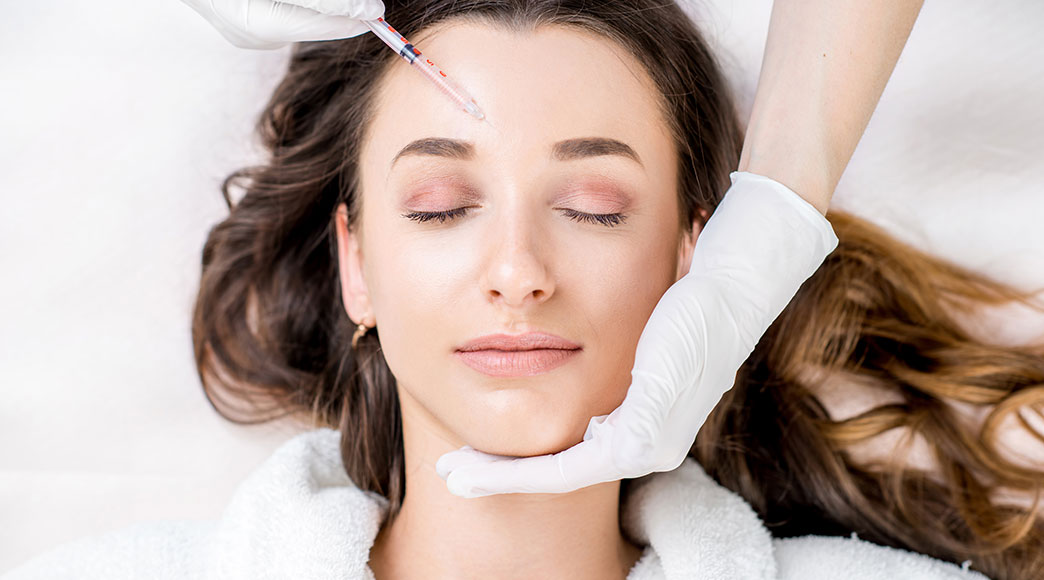
Many of the most popular medical beauty procedures are non-invasive or minimally invasive. This means that they typically require no incisions or stitches and involve little to no recovery time. For example, Botox injections and dermal fillers can be completed in a matter of minutes, with most patients able to return to their daily activities right after the procedure.

2. Natural-Looking Results

The primary goal of medical beauty is to enhance a person’s natural features rather than drastically altering them. Treatments such as Botox, dermal fillers, and laser resurfacing work to rejuvenate the skin, smooth out fine lines, restore facial volume, and improve texture, all while maintaining a natural, youthful appearance. This subtle enhancement is often more desirable than the dramatic changes associated with invasive surgery.

3. Minimal Downtime

One of the major benefits of medical beauty treatments is their minimal recovery time. Traditional cosmetic surgeries often require weeks of recovery, during which patients must avoid strenuous activities and adhere to strict aftercare regimens. In contrast, many medical beauty procedures offer immediate or near-immediate results, with little to no downtime. In some cases, patients can even resume normal activities the same day.

4. Effective and Long-Lasting Results

Unlike some traditional beauty treatments, medical beauty procedures often provide more durable results. Botox, for instance, can last anywhere from 3 to 6 months, while dermal fillers may last up to 18 months. Fat-reduction treatments like CoolSculpting and body contouring procedures also offer long-term effects, with results that can be permanent once fat cells are eliminated.

5. Customizable to Individual Needs

Every person’s aesthetic needs are different. With medical beauty, treatments are highly customizable, allowing professionals to tailor procedures to meet the specific concerns of each patient. Whether it’s addressing fine lines, sagging skin, volume loss, or stubborn fat, medical beauty practitioners can create personalized treatment plans that align with an individual’s goals.

Common Medical Beauty Treatments

The medical beauty industry encompasses a wide range of treatments aimed at addressing various aesthetic concerns. Some of the most popular procedures include:

1. Botox and Neuromodulators

Botox is perhaps the most well-known medical beauty treatment. It works by temporarily paralyzing muscles to prevent them from contracting, reducing the appearance of wrinkles. Botox is commonly used for the forehead, crow’s feet around the eyes, and frown lines between the eyebrows. Other neuromodulators like Dysport, Xeomin, and Jeuveau are similar to Botox and also provide wrinkle-smoothing benefits.

2. Dermal Fillers

Dermal fillers are used to restore lost volume in the face, filling in wrinkles, sagging areas, and hollowed regions. Fillers such as Juvederm, Restylane, and Radiesse can plump up the cheeks, smooth out deep lines around the mouth, and even enhance lip volume. These fillers are made of hyaluronic acid, calcium hydroxylapatite, or poly-L-lactic acid, and they work by stimulating collagen production, leaving patients with a youthful and refreshed appearance.

3. Laser Skin Treatments

Laser treatments are versatile and can be used for a variety of skin concerns, including wrinkles, pigmentation issues, acne scars, and sun damage. Common laser treatments include:

  • Fractional CO2 Laser Resurfacing: This procedure stimulates collagen production to reduce fine lines, improve skin texture, and treat acne scars.
  • Laser Hair Removal: A permanent hair reduction solution that uses concentrated light to target hair follicles, preventing hair growth.
  • Intense Pulsed Light (IPL): A non-laser light treatment that targets pigmentation irregularities, such as sunspots, freckles, and redness.

4. Chemical Peels

Chemical peels involve the application of a chemical solution to exfoliate the skin, removing the outermost layers. This promotes the growth of fresh, youthful skin and can address issues like fine lines, pigmentation, and acne scars. Chemical peels come in varying depths, with superficial peels offering minimal downtime and deeper peels providing more dramatic results but with a longer recovery time.

5. Microneedling

Microneedling involves the use of tiny needles that create controlled micro-injuries in the skin, stimulating collagen production and promoting skin rejuvenation. Microneedling is effective for improving skin texture, reducing acne scars, and smoothing fine lines. This treatment is often combined with PRP (Platelet-Rich Plasma) therapy, where a patient’s own blood is used to enhance skin healing and regeneration.

6. Non-Surgical Body Contouring

Non-surgical fat-reduction treatments, such as CoolSculpting and SculpSure, target and freeze or heat fat cells, which are then naturally eliminated by the body. These treatments help sculpt areas of the body with stubborn fat, such as the abdomen, thighs, or flanks, without the need for liposuction.

Benefits of Medical Beauty

The rise of medical beauty treatments has brought numerous benefits to individuals seeking aesthetic enhancements:

1. Low Risk

Since many medical beauty procedures are non-invasive or minimally invasive, they carry less risk than traditional surgeries. Complications are rare, especially when performed by experienced professionals.

2. No Need for Surgery

Medical beauty offers a solution for individuals who are hesitant to undergo traditional cosmetic surgery due to the risks, long recovery times, and high costs. The ability to enhance one’s appearance with minimal disruption to daily life is a significant draw for many.

3. Long-Term Results

Many treatments offer long-lasting or even permanent results. For example, fat reduction procedures can permanently eliminate fat cells, and Botox treatments can last for several months.

4. Boosted Confidence

Whether it’s reducing wrinkles, improving skin texture, or sculpting the body, medical beauty treatments have a direct impact on an individual’s self-esteem. The confidence gained from achieving aesthetic goals can translate into a greater sense of self-worth and happiness.

The Future of 溶脂針

As medical technology advances, the possibilities in medical beauty are virtually endless. New treatments and technologies are continually being developed to address a wider variety of concerns, from anti-aging to hair restoration. The focus will likely shift toward even more personalized treatments, leveraging genetic information and AI to create custom solutions for every individual. The integration of holistic approaches that combine physical treatments with wellness practices may also gain momentum in the coming years.

Conclusion

Medical beauty is revolutionizing the way people approach aesthetics, offering non-invasive and highly effective treatments that help individuals look and feel their best. From anti-aging to body contouring, medical beauty provides targeted solutions that are both safe and accessible, making it a popular choice for anyone looking to enhance their natural beauty. As technology continues to advance, medical beauty will remain at the forefront of the beauty industry, offering exciting new opportunities for self-improvement, confidence, and self-care.

Understanding ADHD in Military Veterans Unique Challenges and SolutionsUnderstanding ADHD in Military Veterans Unique Challenges and Solutions

ADHD, or Attention-Deficit/Hyperactivity Disorder, is a neurodevelopmental condition often diagnosed in childhood, but its effects can persist well into adulthood. For military veterans, these effects can be amplified by the unique stressors and demands of military service. It’s crucial to understand how *ADHD in military* personnel and veterans presents, and how it interacts with the challenges they face, to provide appropriate support and care. This understanding extends beyond simple diagnosis; it requires recognizing the impact of military culture and experiences on the manifestation and management of ADHD.

The presence of undiagnosed or poorly managed ADHD can significantly impact a veteran’s transition to civilian life. Difficulties with organization, focus, and impulse control can affect employment, relationships, and overall well-being. Furthermore, the co-occurrence of ADHD with other mental health conditions, such as PTSD and depression, adds another layer of complexity. Therefore, raising *veteran ADHD awareness* becomes an important mission in improving mental health.

Unique Challenges Faced by Veterans with ADHD

Veterans with ADHD often experience challenges distinct from their civilian counterparts. The structured environment of military life, while potentially helpful in some ways, can also mask underlying ADHD symptoms. Once veterans leave this environment, the lack of structure can exacerbate these difficulties. Understanding these unique challenges is the first step in providing effective support.

Military service often involves exposure to trauma, demanding physical conditions, and high-stress situations. These experiences can interact with ADHD symptoms, making it harder for veterans to cope. The symptoms of ADHD can worsen PTSD symptoms, creating a cycle of distress. This *ADHD PTSD overlap* needs special attention during assessment.

The Impact of Military Culture on ADHD

Military culture emphasizes discipline, order, and adherence to rules. While these values can be beneficial, they can also create additional pressure for individuals with ADHD who struggle with these areas. The fear of judgment or negative consequences might lead veterans to hide their symptoms, delaying diagnosis and treatment.

The hyper-vigilance required in combat situations can also mimic or worsen ADHD symptoms, such as restlessness and difficulty focusing on mundane tasks. Recognizing this distinction is vital for accurate diagnosis and treatment planning. It’s important to look into how *ADHD military service impact* can lead to specific mental health problems.

Co-occurring Conditions: PTSD and ADHD

The *ADHD PTSD overlap* is a significant concern among veterans. PTSD, or Post-Traumatic Stress Disorder, is a mental health condition triggered by experiencing or witnessing a traumatic event. The symptoms of PTSD, such as hyperarousal, difficulty concentrating, and impulsivity, can overlap with ADHD, making it difficult to distinguish between the two conditions.

Furthermore, the presence of both conditions can exacerbate symptoms and make treatment more challenging. Veterans with both ADHD and PTSD may struggle with emotional regulation, social interactions, and overall quality of life. Thus, when screening for *veteran mental health ADHD*, the mental health specialist has to consider every possibility.

Diagnosis and Assessment of ADHD in Veterans

Accurate diagnosis is essential for effective treatment. However, diagnosing ADHD in veterans can be complex due to the potential overlap with other mental health conditions and the unique experiences of military service. A thorough assessment should include a comprehensive review of the veteran’s medical and military history, as well as psychological testing and interviews.

It’s essential that clinicians understand the potential for underreporting of symptoms due to stigma or concerns about career implications. A collaborative approach, involving the veteran, their family, and other healthcare providers, can improve the accuracy and effectiveness of the diagnostic process. If you are looking for *ADHD diagnosis veterans* you must seek guidance from mental health professionals.

Challenges in ADHD Diagnosis for Veterans

Diagnosing *ADHD diagnosis veterans* poses unique challenges. The structured environment of military life may have masked ADHD symptoms, making them less apparent until the veteran transitions to civilian life. Additionally, the symptoms of PTSD, anxiety, and depression can mimic ADHD, making it difficult to differentiate between these conditions.

It is crucial for healthcare professionals to have a thorough understanding of military culture and the potential impact of military service on mental health. Using specialized assessment tools and techniques tailored to the veteran population can improve diagnostic accuracy.

The Role of Comprehensive Evaluation

A comprehensive evaluation is key to accurately diagnosing ADHD in veterans. This evaluation should include a detailed history of the veteran’s symptoms, both before and during military service. Psychological testing can help identify specific cognitive and behavioral patterns associated with ADHD.

Interviews with family members or other individuals who know the veteran well can provide valuable insights into their behavior and functioning. This collaborative approach ensures that all relevant information is considered during the diagnostic process.

Effective Treatment Strategies for Veterans with ADHD

Treatment for ADHD in veterans typically involves a combination of medication, therapy, and lifestyle adjustments. The specific approach will depend on the individual’s needs and preferences, as well as the presence of any co-occurring conditions. A personalized treatment plan, developed in collaboration with a healthcare provider, is essential for achieving optimal outcomes.

Medication can help manage ADHD symptoms such as inattention, hyperactivity, and impulsivity. Therapy, such as cognitive-behavioral therapy (CBT), can help veterans develop coping skills and strategies for managing their symptoms. Lifestyle adjustments, such as regular exercise and a healthy diet, can also support overall well-being. *ADHD treatment veterans* is possible and can lead to significant improvements in mental health.

Medication Management for ADHD in Veterans

Medication is often an important part of *ADHD treatment veterans*. Stimulant medications, such as methylphenidate and amphetamine, are commonly prescribed to help improve focus and attention. Non-stimulant medications, such as atomoxetine, are also available and may be a good option for veterans who cannot tolerate stimulants or have a history of substance abuse.

It’s important for healthcare providers to carefully monitor veterans taking ADHD medication, as they may be at increased risk for side effects such as anxiety, insomnia, and changes in mood. Regular follow-up appointments are essential to ensure that the medication is working effectively and to address any concerns.

Therapeutic Interventions for ADHD

Therapy can play a vital role in helping veterans manage ADHD symptoms and improve their overall quality of life. Cognitive-behavioral therapy (CBT) is a type of therapy that helps individuals identify and change negative thought patterns and behaviors. CBT can be particularly helpful for veterans with ADHD who struggle with impulsivity, emotional regulation, and organization.

Other therapeutic approaches, such as mindfulness-based therapy and acceptance and commitment therapy (ACT), can also be beneficial. These therapies help veterans develop greater self-awareness and acceptance of their ADHD symptoms, which can lead to improved coping skills and overall well-being. Consider reaching out to Vantage Mental Health for *ADHD testing* (https://www.vantagementalhealth.org/adhd-testing/) and therapeutic intervention.

Coping Strategies for Veterans Living with ADHD

Developing effective *coping ADHD veterans* strategies is crucial for managing the challenges of living with ADHD. These strategies can help veterans improve their focus, organization, and time management skills. They can also help reduce stress and improve overall well-being.

Establishing routines and schedules, using assistive technology, and seeking support from family, friends, and support groups are all valuable coping strategies. It’s important for veterans to find the strategies that work best for them and to consistently implement them in their daily lives.

Practical Tips for Managing ADHD Symptoms

There are many practical tips that can help veterans manage their ADHD symptoms. Breaking tasks down into smaller, more manageable steps can make them less overwhelming. Using timers and reminders can help with time management and staying on track.

Creating a clutter-free and organized environment can minimize distractions and improve focus. Regular exercise, a healthy diet, and adequate sleep are also essential for managing ADHD symptoms.

Building a Support System

Having a strong support system is essential for veterans living with ADHD. Connecting with other veterans who have similar experiences can provide a sense of community and understanding. Family members and friends can also provide valuable support and encouragement.

Joining a support group or participating in online forums can provide opportunities to share experiences, learn from others, and receive emotional support. It’s important for veterans to build a support system that meets their individual needs and preferences.

VA Resources and Support for Veterans with ADHD

The Department of Veterans Affairs (VA) offers a range of resources and support services for veterans with ADHD. These services include diagnostic evaluations, medication management, therapy, and vocational rehabilitation. Taking advantage of these resources can significantly improve a veteran’s quality of life.

*ADHD VA support* services are designed to address the unique needs of veterans with ADHD. Veterans can access these services by contacting their local VA medical center or visiting the VA website.

Navigating the VA System for ADHD Care

Navigating the VA system can be challenging, but there are resources available to help veterans access the care they need. The first step is to enroll in VA healthcare. Once enrolled, veterans can schedule an appointment with their primary care provider to discuss their concerns about ADHD.

The primary care provider can then refer the veteran to a mental health specialist for a comprehensive evaluation and treatment. The VA also offers specialized programs for veterans with co-occurring mental health conditions, such as PTSD and ADHD.

Available VA Programs and Services

The VA offers a variety of programs and services to support veterans with ADHD. These include:

* **Diagnostic evaluations:** Comprehensive assessments to determine if a veteran meets the criteria for ADHD.
* **Medication management:** Prescription and monitoring of medications to manage ADHD symptoms.
* **Therapy:** Individual or group therapy to help veterans develop coping skills and strategies for managing their symptoms.
* **Vocational rehabilitation:** Assistance with finding and maintaining employment.
* **Educational resources:** Information and resources about ADHD to help veterans and their families better understand the condition.

These programs are designed to provide comprehensive support and improve the lives of veterans with ADHD. Vantage Mental Health also offers *ADHD testing* (https://www.vantagementalhealth.org/adhd-testing/).

Promoting Veteran ADHD Awareness and Advocacy

Raising *veteran ADHD awareness* is essential for reducing stigma and improving access to care. By increasing awareness, we can help veterans with ADHD feel more understood and supported. Advocacy efforts can also help ensure that the VA continues to provide high-quality care for veterans with ADHD.

Encouraging open dialogue about ADHD and sharing personal stories can help break down barriers and promote understanding. Supporting organizations that advocate for veterans with mental health conditions can also make a difference.

Reducing Stigma and Promoting Understanding

Stigma surrounding mental health conditions can prevent veterans from seeking help. By promoting understanding and reducing stigma, we can encourage veterans to access the care they need. Sharing information about ADHD and its impact on veterans can help dispel misconceptions and promote empathy.

Creating a safe and supportive environment where veterans feel comfortable discussing their challenges is essential. Encouraging open dialogue and sharing personal stories can help break down barriers and promote understanding.

The Importance of Advocacy and Support

Advocacy efforts can help ensure that veterans with ADHD receive the support and resources they need. Supporting organizations that advocate for veterans with mental health conditions can make a difference. Contacting elected officials to voice concerns about veteran healthcare can also help influence policy and funding decisions.

By working together, we can create a more supportive and inclusive environment for veterans with ADHD.