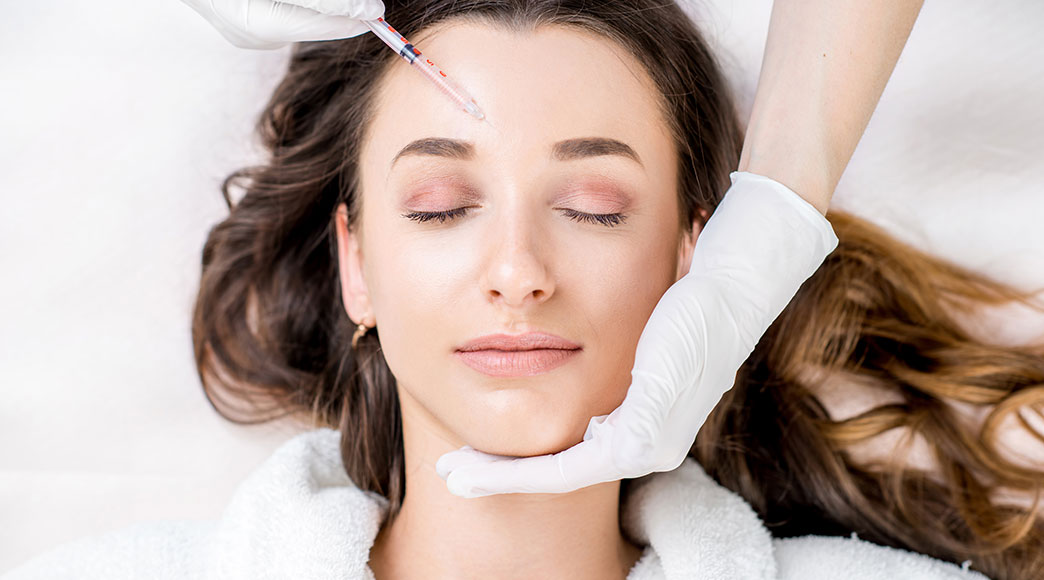
The Importance Of Prioritizing Women’s HealthThe Importance Of Prioritizing Women’s Health

Women’s wellness is a pressure cut that should be self-addressed and prioritized in every beau monde. In Holocene eld, there has been a ontogeny awareness about the unique wellness needs of women and the considerable bear on that it has on their overall well-being. Therefore, it is requirement to have a better understanding of women’s health and the challenges that they face, in say to improve their timber of life and elevat sexuality .

One of the most vital factors in 縮陰球推薦 is generative wellness. Reproductive wellness encompasses a wide range of issues, including catamenia, maternity, childbearing, and menopause. These issues can have a significant touch on on a woman’s physical, mental, and emotional wellness. However, due to social taboos and lack of training, many women face obstacles in accessing specific fruitful health care. For exemplify, flo is often stigmatized, and many women do not have get at to specific hygienics products, which can lead to wellness issues and involve their self-esteem. This is just one example of the many challenges that women face in regards to their procreative wellness.

In plus to reproductive health, women also face higher rates of prolonged diseases such as spirit , , and osteoporosis. According to the World Health Organization, these diseases are responsible for 70 of deaths in women globally. Women also have unique wellness needs when it comes to certain diseases, such as front malignant neoplastic disease and porta cancer. Therefore, it is material to focalize on bar and early on detection, as well as supply specific treatment and support for women with these diseases.

Mental health is also a crucial prospect of women’s wellness. Women are more likely to see unhealthy health issues such as slump and anxiety, and they often face factors, such as domestic force and gender discrimination, that can put up to their unhealthy well-being. It is requirement for women to have access to unhealthy wellness services and support to address these issues and wield good unhealthy wellness.

Another factor that affects women’s health is access to health care. In many parts of the earth, women face barriers in accessing proper health care due to business enterprise constraints, lack of resources, and sexuality discrimination. This can lead to delays in quest medical exam treatment and can finally affect their wellness outcomes. It is necessity to turn to these barriers and ply women with equal get at to health care services.

Empowering women and promoting gender equality is also a crucial scene of women’s wellness. When women have touch opportunities and rights, they are more likely to take care of their health and well-being. Gender equality goes beyond just get at to health care; it also includes breeding, employment, and socio-economic position. By promoting sex , we can produce a beau monde where women are valuable and have the resources to prioritise their wellness.

In termination, women’s health is a multifarious write out that deserves care and prioritization. By understanding the unique wellness needs of women and addressing the obstacles they face, we can meliorate their overall well-being and kick upstairs sex equality. It is requisite for governments, health care providers, and individuals to work together to see that women have get at to tone health care, breeding, and resources to take care of their health. We must recognise that women’s health is not a women’s make out; it is a human rights cut that affects everyone.

Leave a Reply

Your email address will not be published. Required fields are marked *

Related Post

The Rise of Medical Beauty: A Modern Approach to Aesthetic EnhancementThe Rise of Medical Beauty: A Modern Approach to Aesthetic Enhancement

In recent years, there has been a significant shift in the beauty and wellness industries toward medical beauty. This evolving field blends cutting-edge medical technology with aesthetic treatments to help individuals enhance their appearance, address skin concerns, and rejuvenate their overall look, all without the need for invasive surgery. While traditional beauty solutions such as skincare routines and makeup have always played a significant role in enhancing beauty, medical beauty now offers a more targeted, effective, and lasting approach.

From anti-aging treatments to body contouring, medical beauty allows for subtle and natural improvements, targeting specific areas with precision. With this article, we will delve into the world of medical beauty, exploring the treatments that have gained popularity, the benefits they offer, and how this field is reshaping the future of aesthetics.

What is Medical Beauty?

Medical beauty refers to aesthetic procedures that utilize advanced medical techniques and technologies to enhance, maintain, or restore a person’s appearance. These treatments often involve the use of non-invasive or minimally invasive procedures performed by licensed medical professionals such as dermatologists, cosmetic surgeons, or certified aesthetic practitioners. The key distinction between medical beauty and traditional beauty treatments lies in the use of scientifically-backed, medical-grade products and technologies, which yield faster, more noticeable results.

Medical beauty combines the principles of aesthetics with scientific precision. Whether it’s reducing the appearance of wrinkles, improving skin texture, or reshaping the body, these procedures deliver transformative results with minimal downtime and reduced risks compared to traditional surgery.

The Growth of Medical Beauty

The popularity of medical beauty treatments has surged in recent years for several reasons. Technological advances, combined with a growing desire for non-invasive treatments, have made these procedures more accessible to a wider range of individuals. Social media also plays a pivotal role, with influencers, celebrities, and even everyday users sharing their experiences with medical beauty procedures, sparking greater awareness and interest.

Moreover, medical beauty offers a path to long-term improvement, making it an attractive alternative for those who seek lasting results without undergoing major surgery. Whether it’s reversing the signs of aging or achieving a more sculpted physique, medical beauty offers a range of solutions that can address almost any aesthetic concern.

Why Medical Beauty is So Popular

Several key factors contribute to the rise in popularity of medical beauty. Here are a few reasons why individuals are increasingly turning to this approach to enhance their appearance:

1. Non-Invasive Treatments

Many of the most popular medical beauty procedures are non-invasive or minimally invasive. This means that they typically require no incisions or stitches and involve little to no recovery time. For example, Botox injections and dermal fillers can be completed in a matter of minutes, with most patients able to return to their daily activities right after the procedure.

2. Natural-Looking Results

The primary goal of medical beauty is to enhance a person’s natural features rather than drastically altering them. Treatments such as Botox, dermal fillers, and laser resurfacing work to rejuvenate the skin, smooth out fine lines, restore facial volume, and improve texture, all while maintaining a natural, youthful appearance. This subtle enhancement is often more desirable than the dramatic changes associated with invasive surgery.

3. Minimal Downtime

One of the major benefits of medical beauty treatments is their minimal recovery time. Traditional cosmetic surgeries often require weeks of recovery, during which patients must avoid strenuous activities and adhere to strict aftercare regimens. In contrast, many medical beauty procedures offer immediate or near-immediate results, with little to no downtime. In some cases, patients can even resume normal activities the same day.

4. Effective and Long-Lasting Results

Unlike some traditional beauty treatments, medical beauty procedures often provide more durable results. Botox, for instance, can last anywhere from 3 to 6 months, while dermal fillers may last up to 18 months. Fat-reduction treatments like CoolSculpting and body contouring procedures also offer long-term effects, with results that can be permanent once fat cells are eliminated.

5. Customizable to Individual Needs

Every person’s aesthetic needs are different. With medical beauty, treatments are highly customizable, allowing professionals to tailor procedures to meet the specific concerns of each patient. Whether it’s addressing fine lines, sagging skin, volume loss, or stubborn fat, medical beauty practitioners can create personalized treatment plans that align with an individual’s goals.

Common Medical Beauty Treatments

The medical beauty industry encompasses a wide range of treatments aimed at addressing various aesthetic concerns. Some of the most popular procedures include:

1. Botox and Neuromodulators

Botox is perhaps the most well-known medical beauty treatment. It works by temporarily paralyzing muscles to prevent them from contracting, reducing the appearance of wrinkles. Botox is commonly used for the forehead, crow’s feet around the eyes, and frown lines between the eyebrows. Other neuromodulators like Dysport, Xeomin, and Jeuveau are similar to Botox and also provide wrinkle-smoothing benefits.

2. Dermal Fillers

Dermal fillers are used to restore lost volume in the face, filling in wrinkles, sagging areas, and hollowed regions. Fillers such as Juvederm, Restylane, and Radiesse can plump up the cheeks, smooth out deep lines around the mouth, and even enhance lip volume. These fillers are made of hyaluronic acid, calcium hydroxylapatite, or poly-L-lactic acid, and they work by stimulating collagen production, leaving patients with a youthful and refreshed appearance.

3. Laser Skin Treatments

Laser treatments are versatile and can be used for a variety of skin concerns, including wrinkles, pigmentation issues, acne scars, and sun damage. Common laser treatments include:

  • Fractional CO2 Laser Resurfacing: This procedure stimulates collagen production to reduce fine lines, improve skin texture, and treat acne scars.
  • Laser Hair Removal: A permanent hair reduction solution that uses concentrated light to target hair follicles, preventing hair growth.
  • Intense Pulsed Light (IPL): A non-laser light treatment that targets pigmentation irregularities, such as sunspots, freckles, and redness.

4. Chemical Peels

Chemical peels involve the application of a chemical solution to exfoliate the skin, removing the outermost layers. This promotes the growth of fresh, youthful skin and can address issues like fine lines, pigmentation, and acne scars. Chemical peels come in varying depths, with superficial peels offering minimal downtime and deeper peels providing more dramatic results but with a longer recovery time.

5. Microneedling

Microneedling involves the use of tiny needles that create controlled micro-injuries in the skin, stimulating collagen production and promoting skin rejuvenation. Microneedling is effective for improving skin texture, reducing acne scars, and smoothing fine lines. This treatment is often combined with PRP (Platelet-Rich Plasma) therapy, where a patient’s own blood is used to enhance skin healing and regeneration.

6. Non-Surgical Body Contouring

Non-surgical fat-reduction treatments, such as CoolSculpting and SculpSure, target and freeze or heat fat cells, which are then naturally eliminated by the body. These treatments help sculpt areas of the body with stubborn fat, such as the abdomen, thighs, or flanks, without the need for liposuction.

Benefits of Medical Beauty

The rise of medical beauty treatments has brought numerous benefits to individuals seeking aesthetic enhancements:

1. Low Risk

Since many medical beauty procedures are non-invasive or minimally invasive, they carry less risk than traditional surgeries. Complications are rare, especially when performed by experienced professionals.

2. No Need for Surgery

Medical beauty offers a solution for individuals who are hesitant to undergo traditional cosmetic surgery due to the risks, long recovery times, and high costs. The ability to enhance one’s appearance with minimal disruption to daily life is a significant draw for many.

3. Long-Term Results

Many treatments offer long-lasting or even permanent results. For example, fat reduction procedures can permanently eliminate fat cells, and Botox treatments can last for several months.

4. Boosted Confidence

Whether it’s reducing wrinkles, improving skin texture, or sculpting the body, medical beauty treatments have a direct impact on an individual’s self-esteem. The confidence gained from achieving aesthetic goals can translate into a greater sense of self-worth and happiness.

The Future of 溶脂針

As medical technology advances, the possibilities in medical beauty are virtually endless. New treatments and technologies are continually being developed to address a wider variety of concerns, from anti-aging to hair restoration. The focus will likely shift toward even more personalized treatments, leveraging genetic information and AI to create custom solutions for every individual. The integration of holistic approaches that combine physical treatments with wellness practices may also gain momentum in the coming years.

Conclusion

Medical beauty is revolutionizing the way people approach aesthetics, offering non-invasive and highly effective treatments that help individuals look and feel their best. From anti-aging to body contouring, medical beauty provides targeted solutions that are both safe and accessible, making it a popular choice for anyone looking to enhance their natural beauty. As technology continues to advance, medical beauty will remain at the forefront of the beauty industry, offering exciting new opportunities for self-improvement, confidence, and self-care.

Quali Aspetti I Coltivatori Di Cannabis è Fondamentale Che Tenere Presente Relativamente Alle Sistemi Di Coltivazione Così Come Conformità LegaleQuali Aspetti I Coltivatori Di Cannabis è Fondamentale Che Tenere Presente Relativamente Alle Sistemi Di Coltivazione Così Come Conformità Legale


La canapa, una pianta che ha suscitato dibattiti e controversie in diversi paesi, non fa eccezione in Italia, dove il suo uso, sia per scopi terapeutici che ricreativi, è al centro di un ampio dibattito pubblico e politico. In un paese noto per la sua tradizione conservatrice in materia di consumo di sostanze, l’approccio verso la cannabis è cambiato significativamente nel corso degli ultimi decenni, portando a una crescente discussione sulla legalizzazione e sulla regolamentazione del suo utilizzo. Il dibattito è complesso, e i suoi protagonisti comprendono non solo i consumatori e i professionisti della salute, ma anche i politici, gli attivisti e le forze dell’ordine.

Negli ultimi anni, in Italia, la cannabis è stata oggetto di un’importante evoluzione legislativa, sebbene la legalizzazione totale della sostanza non sia ancora stata raggiunta. Dal 2016, la legge italiana ha consentito l’uso della cannabis per scopi terapeutici, ma solo sotto stretta prescrizione medica e per specifiche condizioni di salute. La cannabis terapeutica è diventata un’opzione importante per i pazienti affetti da malattie croniche, come il dolore oncologico, la sclerosi multipla e alcune forme di epilessia. Questa apertura al suo uso medicinale ha contribuito a sfatare alcuni dei miti associati alla pianta, in particolare quelli legati ai suoi effetti collaterali e alla sua pericolosità. I pazienti che ne beneficiano, infatti, spesso riportano miglioramenti nella qualità della vita e un alleggerimento dei sintomi debilitanti.

Tuttavia, la cannabis rimane illegale per uso ricreativo. Nonostante questo, il mercato nero continua a prosperare, con una parte significativa della popolazione che consuma la sostanza senza preoccupazioni legali immediate. Questo scenario ha spinto molti a chiedere una riforma più ampia e la legalizzazione completa della cannabis. I sostenitori della legalizzazione sottolineano i benefici economici di un mercato regolamentato, che potrebbe generare entrate fiscali significative, e la possibilità di ridurre il crimine legato al traffico illegale. Inoltre, l’introduzione di politiche chiare e controllate permetterebbe di garantire standard di qualità e sicurezza, proteggendo i consumatori da prodotti contaminati o di bassa qualità.

D’altra parte, ci sono anche voci contrarie alla legalizzazione. Gli oppositori della cannabis temono che una sua diffusione legale possa portare a un aumento dei consumatori, soprattutto tra i giovani, con possibili effetti negativi sulla salute mentale e fisica. Alcuni studi hanno suggerito che l’uso eccessivo di cannabis possa essere associato a problemi psicologici, come l’ansia, la depressione e in casi estremi, la psicosi. Nonostante questi timori, le statistiche mostrano che in molti paesi dove la cannabis è stata legalizzata, l’aumento del consumo non è stato così drammatico come inizialmente previsto.

Il dibattito sulla cannabis in Italia non è solo politico e sanitario, ma anche culturale. La società italiana, storicamente conservatrice su temi come la droga e la libertà individuale, sta lentamente cambiando le proprie prospettive, spinta anche da un’informazione più diffusa e da esperienze internazionali. Paesi come il Canada, l’Olanda e alcuni stati degli Stati Uniti hanno già adottato leggi che consentono la cannabis per uso ricreativo, e il loro esempio sta facendo discutere anche i legislatori italiani.

In conclusione, la torta marijuana in Italia rappresenta un tema complesso e in evoluzione. Mentre l’uso terapeutico della pianta è ormai accettato e regolato, l’uso ricreativo rimane un argomento divisivo. Ciò che è certo è che il dibattito continuerà, con la possibilità che nel futuro prossimo l’Italia possa seguire l’esempio di altri paesi e introdurre una regolamentazione più ampia della cannabis, riconoscendo le sue potenzialità terapeutiche e i suoi impatti economici, pur affrontando le sfide legate alla salute pubblica e alla sicurezza sociale.

Een Stijging Met Betrekking Tot Cannabis Voedingsstoffen En Ook De Manier Zij Zullen Veranderen Van Conventionele TechniekenEen Stijging Met Betrekking Tot Cannabis Voedingsstoffen En Ook De Manier Zij Zullen Veranderen Van Conventionele Technieken


Marihuana is al tientallen jaren een onderwerp van debate, niet alleen in Nederland maar wereldwijd. In Nederland heeft cannabis een unieke status: hoewel het juridisch gezien verboden is, wordt het gebruik en de verkoop onder strikte voorwaarden gedoogd. Coffeeshops mogen kleine hoeveelheden verkopen en gebruikers mogen een beperkte hoeveelheid in bezit hebben voor eigen gebruik. Deze unieke benadering heeft van Nederland een internationaal model gemaakt in het debat over beleid rondom drugs, maar roept tegelijkertijd vragen op over de effectiviteit, volksgezondheid en maatschappelijke gevolgen van deze aanpak.

Cannabis wordt vaak geassocieerd met plezierig gebruik, maar er is de laatste jaren steeds meer aandacht voor de geneeskundige toepassingen van de plant. Patiënten met chronische pijn, epilepsie, MS of andere ernstige aandoeningen melden verlichting van symptomen na het gebruik van medicinale cannabis. In Nederland kan medicinale cannabis op doktersvoorschrift worden verkregen via apotheken, maar dit blijft voor veel mensen een complex traject met bureaucratische hobbels. De medische gemeenschap is gespleten: sommigen zien het als een waardevol aanvullend middel, terwijl anderen de wetenschappelijke onderbouwing nog onvoldoende vinden om het breed in te zetten. Toch blijft de vraag naar natuurlijke alternatieven voor traditionele medicatie toenemen, wat de druk op de overheid verhoogt om het beleid te herzien.

Naast het medisch gebruik is er ook een economische kant aan cannabis. De kweek, distributie en verkoop kunnen een flinke bron van inkomsten zijn, mits goed gereguleerd. Er zijn stemmen binnen de politiek die pleiten voor wettelijke regulering en belastingheffing op cannabis om zwarte markten tegen te gaan en extra belastinginkomsten te genereren. De experimenten met legale wietteelt in Nederland, ook wel het wietexperiment genoemd, zijn een eerste stap richting meer helderheid en controle. De resultaten van deze experimenten zullen de komende jaren belangrijk zijn in het bepalen van de toekomst van het Nederlandse drugsregelgeving.

Sociaal gezien blijft cannabis een complex onderwerp. Enerzijds wordt het gezien als symbool van vrijheid en tolerantie, anderzijds blijft er een stigma hangen rond gebruik, vooral bij jongeren en in professionele kringen. De perceptie verschuift langzaam, mede dankzij internationale ontwikkelingen zoals legalisering in Canada, bepaalde staten in de VS en recent ook in Duitsland. Deze ontwikkelingen hebben invloed op hoe ook Nederlanders naar cbd gummies kopen kijken, met meer aandacht voor de subtiliteiten in gebruik, risico’s en voordelen.

Samenvattend is cannabis in Nederland meer dan alleen een lichte drug; het is een plant met medische potentie, economische waarde en culturele betekenis. De toekomst van cannabis hangt af van hoe de samenleving, wetenschap en politiek met elkaar in balans weten te komen. De uitdaging is om beleid te ontwikkelen dat zowel gezondheidsrisico’s beperkt als persoonlijke vrijheid en innovatie ondersteunt. In een tijd waarin de wereld zich steeds meer openstelt voor alternatieve visies op gezondheid en welzijn, blijft cannabis een belangrijke graadmeter voor de vooruitgang van een moderne, pragmatische samenleving.

Brush Up Your Cognition About Basic Medicines And Medication And You May Save LivesBrush Up Your Cognition About Basic Medicines And Medication And You May Save Lives

Medicine and medicine are subjects that we love to lead to your doctors. Whenever we face some ailments the first affair that we do is ring up the doctor. But don 39;t you think that it is world-shattering that we have noesis about the basic medicines that are requisite in unremarkable use? We are aware of some of the staple medicines like Bayer and Band-Aid but are these all that we need to know? What if there is some over the counter medicate that can be used in ailments like febrility? We wouldn 39;t need to consult the doctor to use that one. And we can only make the when we are aware of the staple medicines.

Say it is late at Nox and on the spur of the moment someone in your family contracts high fever. Your Dr. may not be available at this late hour and you would need to rely on your cognition of medicines and medicinal dru to deal the right medicine. If you don 39;t have any cognition about staple medicines and your doctor is not picking up the telephone, would you run to the infirmary? I 39;m sure this is not something you have in mind. Hence, it is about time you brushed up your knowledge about basic medicines. And the Internet makes it so simpleton to get this selective information that there is no reason out for you not to do so.

There are some very common places online where we can get selective information on the basic medicines and Laboratory Online Medicines by Mailbox . The most common target to look out for would be the seek engines. Go to Google and search using keywords like quot;basic medicines quot; or quot;common medicines quot; and you will have a long list of websites that give you information about these medicines. There are enough health chec websites to help you in this view.

Another options, that I think is more useful, is the choice of reading articles on medicines and medicine. There are many free clause websites that not only tell you about the most green medicines but also give you extra details about them. The biggest advantage of these websites is that they explain medicines and medicinal dru in a very lucid manner, in a terminology that can be implied by people like you and me. Moreover, these articles are well researched and give you the most updated information that you would always require.

Reading articles on medicines and medicament is also pleasurable because of the way these are written, Reading about medicines and medicinal dru is not the most exciting matter to do but when you have a storyline sessile to it, the topic seems much more gripping. Most of the clause writers give you real life examples so that you can pertain to it when you actually face a similar situation.

Knowing about medicines and medicament will also help you salvage situations in your neck of the wood or in power. There is a good conclude why companies today enthrone in first aid preparation. Get your cognition in point and who knows you may be baked as a messiah in certain situations.

Understanding ADHD in Military Veterans Unique Challenges and SolutionsUnderstanding ADHD in Military Veterans Unique Challenges and Solutions

ADHD, or Attention-Deficit/Hyperactivity Disorder, is a neurodevelopmental condition often diagnosed in childhood, but its effects can persist well into adulthood. For military veterans, these effects can be amplified by the unique stressors and demands of military service. It’s crucial to understand how *ADHD in military* personnel and veterans presents, and how it interacts with the challenges they face, to provide appropriate support and care. This understanding extends beyond simple diagnosis; it requires recognizing the impact of military culture and experiences on the manifestation and management of ADHD.

The presence of undiagnosed or poorly managed ADHD can significantly impact a veteran’s transition to civilian life. Difficulties with organization, focus, and impulse control can affect employment, relationships, and overall well-being. Furthermore, the co-occurrence of ADHD with other mental health conditions, such as PTSD and depression, adds another layer of complexity. Therefore, raising *veteran ADHD awareness* becomes an important mission in improving mental health.

Unique Challenges Faced by Veterans with ADHD

Veterans with ADHD often experience challenges distinct from their civilian counterparts. The structured environment of military life, while potentially helpful in some ways, can also mask underlying ADHD symptoms. Once veterans leave this environment, the lack of structure can exacerbate these difficulties. Understanding these unique challenges is the first step in providing effective support.

Military service often involves exposure to trauma, demanding physical conditions, and high-stress situations. These experiences can interact with ADHD symptoms, making it harder for veterans to cope. The symptoms of ADHD can worsen PTSD symptoms, creating a cycle of distress. This *ADHD PTSD overlap* needs special attention during assessment.

The Impact of Military Culture on ADHD

Military culture emphasizes discipline, order, and adherence to rules. While these values can be beneficial, they can also create additional pressure for individuals with ADHD who struggle with these areas. The fear of judgment or negative consequences might lead veterans to hide their symptoms, delaying diagnosis and treatment.

The hyper-vigilance required in combat situations can also mimic or worsen ADHD symptoms, such as restlessness and difficulty focusing on mundane tasks. Recognizing this distinction is vital for accurate diagnosis and treatment planning. It’s important to look into how *ADHD military service impact* can lead to specific mental health problems.

Co-occurring Conditions: PTSD and ADHD

The *ADHD PTSD overlap* is a significant concern among veterans. PTSD, or Post-Traumatic Stress Disorder, is a mental health condition triggered by experiencing or witnessing a traumatic event. The symptoms of PTSD, such as hyperarousal, difficulty concentrating, and impulsivity, can overlap with ADHD, making it difficult to distinguish between the two conditions.

Furthermore, the presence of both conditions can exacerbate symptoms and make treatment more challenging. Veterans with both ADHD and PTSD may struggle with emotional regulation, social interactions, and overall quality of life. Thus, when screening for *veteran mental health ADHD*, the mental health specialist has to consider every possibility.

Diagnosis and Assessment of ADHD in Veterans

Accurate diagnosis is essential for effective treatment. However, diagnosing ADHD in veterans can be complex due to the potential overlap with other mental health conditions and the unique experiences of military service. A thorough assessment should include a comprehensive review of the veteran’s medical and military history, as well as psychological testing and interviews.

It’s essential that clinicians understand the potential for underreporting of symptoms due to stigma or concerns about career implications. A collaborative approach, involving the veteran, their family, and other healthcare providers, can improve the accuracy and effectiveness of the diagnostic process. If you are looking for *ADHD diagnosis veterans* you must seek guidance from mental health professionals.

Challenges in ADHD Diagnosis for Veterans

Diagnosing *ADHD diagnosis veterans* poses unique challenges. The structured environment of military life may have masked ADHD symptoms, making them less apparent until the veteran transitions to civilian life. Additionally, the symptoms of PTSD, anxiety, and depression can mimic ADHD, making it difficult to differentiate between these conditions.

It is crucial for healthcare professionals to have a thorough understanding of military culture and the potential impact of military service on mental health. Using specialized assessment tools and techniques tailored to the veteran population can improve diagnostic accuracy.

The Role of Comprehensive Evaluation

A comprehensive evaluation is key to accurately diagnosing ADHD in veterans. This evaluation should include a detailed history of the veteran’s symptoms, both before and during military service. Psychological testing can help identify specific cognitive and behavioral patterns associated with ADHD.

Interviews with family members or other individuals who know the veteran well can provide valuable insights into their behavior and functioning. This collaborative approach ensures that all relevant information is considered during the diagnostic process.

Effective Treatment Strategies for Veterans with ADHD

Treatment for ADHD in veterans typically involves a combination of medication, therapy, and lifestyle adjustments. The specific approach will depend on the individual’s needs and preferences, as well as the presence of any co-occurring conditions. A personalized treatment plan, developed in collaboration with a healthcare provider, is essential for achieving optimal outcomes.

Medication can help manage ADHD symptoms such as inattention, hyperactivity, and impulsivity. Therapy, such as cognitive-behavioral therapy (CBT), can help veterans develop coping skills and strategies for managing their symptoms. Lifestyle adjustments, such as regular exercise and a healthy diet, can also support overall well-being. *ADHD treatment veterans* is possible and can lead to significant improvements in mental health.

Medication Management for ADHD in Veterans

Medication is often an important part of *ADHD treatment veterans*. Stimulant medications, such as methylphenidate and amphetamine, are commonly prescribed to help improve focus and attention. Non-stimulant medications, such as atomoxetine, are also available and may be a good option for veterans who cannot tolerate stimulants or have a history of substance abuse.

It’s important for healthcare providers to carefully monitor veterans taking ADHD medication, as they may be at increased risk for side effects such as anxiety, insomnia, and changes in mood. Regular follow-up appointments are essential to ensure that the medication is working effectively and to address any concerns.

Therapeutic Interventions for ADHD

Therapy can play a vital role in helping veterans manage ADHD symptoms and improve their overall quality of life. Cognitive-behavioral therapy (CBT) is a type of therapy that helps individuals identify and change negative thought patterns and behaviors. CBT can be particularly helpful for veterans with ADHD who struggle with impulsivity, emotional regulation, and organization.

Other therapeutic approaches, such as mindfulness-based therapy and acceptance and commitment therapy (ACT), can also be beneficial. These therapies help veterans develop greater self-awareness and acceptance of their ADHD symptoms, which can lead to improved coping skills and overall well-being. Consider reaching out to Vantage Mental Health for *ADHD testing* (https://www.vantagementalhealth.org/adhd-testing/) and therapeutic intervention.

Coping Strategies for Veterans Living with ADHD

Developing effective *coping ADHD veterans* strategies is crucial for managing the challenges of living with ADHD. These strategies can help veterans improve their focus, organization, and time management skills. They can also help reduce stress and improve overall well-being.

Establishing routines and schedules, using assistive technology, and seeking support from family, friends, and support groups are all valuable coping strategies. It’s important for veterans to find the strategies that work best for them and to consistently implement them in their daily lives.

Practical Tips for Managing ADHD Symptoms

There are many practical tips that can help veterans manage their ADHD symptoms. Breaking tasks down into smaller, more manageable steps can make them less overwhelming. Using timers and reminders can help with time management and staying on track.

Creating a clutter-free and organized environment can minimize distractions and improve focus. Regular exercise, a healthy diet, and adequate sleep are also essential for managing ADHD symptoms.

Building a Support System

Having a strong support system is essential for veterans living with ADHD. Connecting with other veterans who have similar experiences can provide a sense of community and understanding. Family members and friends can also provide valuable support and encouragement.

Joining a support group or participating in online forums can provide opportunities to share experiences, learn from others, and receive emotional support. It’s important for veterans to build a support system that meets their individual needs and preferences.

VA Resources and Support for Veterans with ADHD

The Department of Veterans Affairs (VA) offers a range of resources and support services for veterans with ADHD. These services include diagnostic evaluations, medication management, therapy, and vocational rehabilitation. Taking advantage of these resources can significantly improve a veteran’s quality of life.

*ADHD VA support* services are designed to address the unique needs of veterans with ADHD. Veterans can access these services by contacting their local VA medical center or visiting the VA website.

Navigating the VA System for ADHD Care

Navigating the VA system can be challenging, but there are resources available to help veterans access the care they need. The first step is to enroll in VA healthcare. Once enrolled, veterans can schedule an appointment with their primary care provider to discuss their concerns about ADHD.

The primary care provider can then refer the veteran to a mental health specialist for a comprehensive evaluation and treatment. The VA also offers specialized programs for veterans with co-occurring mental health conditions, such as PTSD and ADHD.

Available VA Programs and Services

The VA offers a variety of programs and services to support veterans with ADHD. These include:

* **Diagnostic evaluations:** Comprehensive assessments to determine if a veteran meets the criteria for ADHD.
* **Medication management:** Prescription and monitoring of medications to manage ADHD symptoms.
* **Therapy:** Individual or group therapy to help veterans develop coping skills and strategies for managing their symptoms.
* **Vocational rehabilitation:** Assistance with finding and maintaining employment.
* **Educational resources:** Information and resources about ADHD to help veterans and their families better understand the condition.

These programs are designed to provide comprehensive support and improve the lives of veterans with ADHD. Vantage Mental Health also offers *ADHD testing* (https://www.vantagementalhealth.org/adhd-testing/).

Promoting Veteran ADHD Awareness and Advocacy

Raising *veteran ADHD awareness* is essential for reducing stigma and improving access to care. By increasing awareness, we can help veterans with ADHD feel more understood and supported. Advocacy efforts can also help ensure that the VA continues to provide high-quality care for veterans with ADHD.

Encouraging open dialogue about ADHD and sharing personal stories can help break down barriers and promote understanding. Supporting organizations that advocate for veterans with mental health conditions can also make a difference.

Reducing Stigma and Promoting Understanding

Stigma surrounding mental health conditions can prevent veterans from seeking help. By promoting understanding and reducing stigma, we can encourage veterans to access the care they need. Sharing information about ADHD and its impact on veterans can help dispel misconceptions and promote empathy.

Creating a safe and supportive environment where veterans feel comfortable discussing their challenges is essential. Encouraging open dialogue and sharing personal stories can help break down barriers and promote understanding.

The Importance of Advocacy and Support

Advocacy efforts can help ensure that veterans with ADHD receive the support and resources they need. Supporting organizations that advocate for veterans with mental health conditions can make a difference. Contacting elected officials to voice concerns about veteran healthcare can also help influence policy and funding decisions.

By working together, we can create a more supportive and inclusive environment for veterans with ADHD.