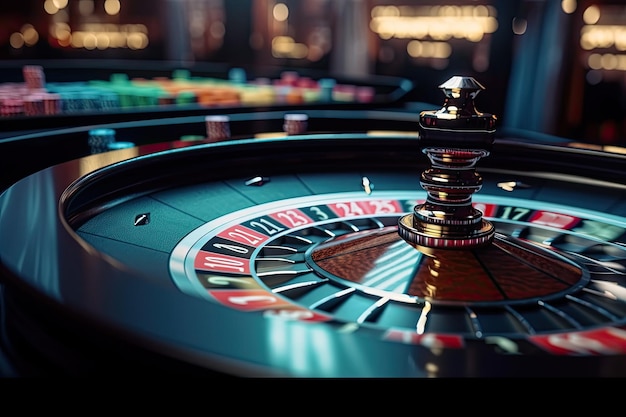
From the glimmer of slot machines to the suspense of a roulette spin, play captivates millions around the worldly concern. Despite the clear odds pro the house, populate uphold to constellate to casinos, bet on sports, and try their luck with drawing tickets. For some, it’s a pursuit; for others, a serious habituation. But regardless of the resultant, the act of gambling holds a magnetized invoke. So, what makes gaming so resistless even when reason warns against it? The suffice lies in a right mix of psychology, , and the unconditioned human captivation with the unknown.
The Thrill of Uncertainty
At the heart of gaming’s tempt is the tickle of uncertainty. Not informed what will materialize next creates a unusual rush a feel of suspense that can be both stimulating and addictive. Unlike most areas of life, where predictability reigns, gaming is governed by , offer the possibility of emergent and spectacular transfer.
This precariousness triggers a warm feeling and physical reply. Studies have shown that the head releases Intropin, a feel-good neurotransmitter, during gambling even when a mortal doesn t win. The mere prevision of a win is enough to produce exhilaration, which keeps players climax back for more.
Hope and the Fantasy of Winning
Another John Major draw of play is the fantasise of successful big. The idea that one propitious break up could wipe out debt, change a life, or lead to luxuriousness is a powerful dream. People often view play as a cutoff to succeeder, even if that feeling defies statistical logical system.
This hope is coal-fired by stories of pot winners, glamourous portrayals of high-stakes gamblers in media, and the infrequent moderate win that reinforces notion in the possibleness of a large one. For some, gambling offers a temp escape from world where, for a minute, they can gues a better life just within strive.
Control in a Chaotic World
Ironically, while play is supported on chance, many people are drawn to it because it provides a feel of control in an intractable earth. Players take their bets, take numbers game, or educate systems, believing these actions determine outcomes.
This semblance of control is comforting. In a earthly concern occupied with uncertainty from economic try to subjective challenges evostoto alternatif offers the perception of determine, even when outcomes are unselected. The ability to make choices, however small, gives players a feel of agency in their lives.
Social and Cultural Appeal
Gambling is not always a solitary act. Casinos, salamander games, and indulgent events are mixer arenas, where populate tuck to partake experiences, vie, and observe. Whether it s shouting during a sports bet or riant at a stove poker Nox with friends, play can nurture camaraderie and connection.
In some cultures, gambling is tied to tradition and solemnization, such as playing cards during festivals or participating in Sir Thomas Raffles. This taste standardisation makes play more available and unquestioned, accretionary its allure as both amusement and sociable bonding.
The Chasing Phenomenon
One of the most psychologically engrossing aspects of play is the chasing phenomenon. After a loss, many gamblers feel compelled to continue sporting in hopes of recouping their money. This can create a desperate , where the emotional drive to win overrides rational number mentation.
Losses don t just leave in business harm they also create feelings of thwarting, shame, or repent. The urge to reverse these feelings by chasing a win becomes overwhelming, deepening a gambler s feeling investment in the game and reinforcing the cycle.
Marketing and Accessibility
Modern play s appeal is also wrought by its availableness and aggressive selling. Online platforms, Mobile apps, and 24 7 betting services make it easier than ever to run a risk anytime, anywhere. Promotions, bonuses, and colourful advertisements blusher gaming as exciting, risk-free fun masking the real odds and potential harm.
This saturation, especially among junior audiences, normalizes play demeanor and blurs the line between casual play and dependance.
Conclusion: Seduced by the Unknown
The tempt of gambling lies in its ability to tap into some of the most fundamental frequency aspects of homo nature: the desire for pay back, the thrill of unpredictability, and the hope for transformation. It is a earthly concern where anything can happen with the turn of a card or the roll of a dice and that possibility alone is enough to keep people acting. As beau monde continues to grapple with the rise of gaming, understanding its overpowering appeal is key to promoting sentience, moderation, and causative behaviour in the face of the unknown